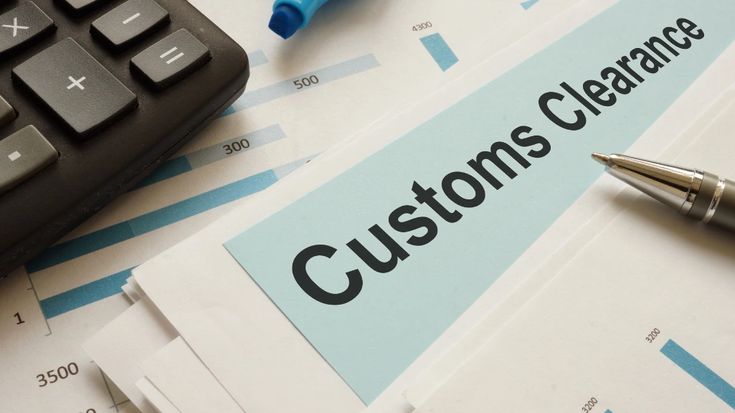
For many importers, the words “Customs Inspection” can cause anxiety. However, customs inspections are a normal part of the import process and play an important role in ensuring compliance with Nigeria’s trade regulations.
Understanding how inspections work can help businesses prepare properly, reduce delays, and ensure a smoother cargo clearance process.
What Is a Customs Inspection?
A customs inspection is the examination of imported goods by the Nigeria Customs Service (NCS) and, where necessary, other government regulatory agencies. The purpose is to verify that the shipment matches the submitted documentation and complies with all applicable laws.
During an inspection, officers may confirm:
- The type of goods imported
- Quantity of the cargo
- Declared value
- Harmonized System (HS) Code
- Country of origin
- Compliance with import regulations
The inspection helps prevent smuggling, under-declaration, and the importation of prohibited or restricted goods.
Why Are Shipments Selected for Inspection?
Not every shipment is inspected in the same way. Customs may select cargo based on several factors, including:
- Risk assessment
- Type of goods
- Incomplete or inconsistent documentation
- Intelligence reports
- Random compliance checks
- Previous compliance history of the importer
Selection for inspection does not automatically mean there is a problem with your shipment.
Documents You Should Have Ready
To facilitate a smooth inspection, ensure you have the necessary documents, such as:
- Commercial Invoice
- Packing List
- Bill of Lading or Air Waybill
- Form M (where applicable)
- Pre-Arrival Assessment Report (PAAR)
- Import permits or regulatory approvals
- Any other supporting documents required for your cargo
Complete and accurate documentation helps speed up the process.
Common Reasons Cargo Is Delayed During Inspection
Delays often occur because of:
- Incorrect HS Code classification
- Under-declaration of cargo value
- Missing documents
- Incorrect cargo descriptions
- Regulatory agency queries
- Physical discrepancies between the cargo and documentation
Many of these issues can be avoided with proper preparation.
How to Prepare for a Customs Inspection
Here are a few practical tips:
- Declare your goods accurately.
- Use the correct HS Code.
- Ensure all documents are complete before shipment.
- Work with experienced customs clearing professionals.
- Respond promptly to any requests for additional information.
- Stay informed about current import regulations.
Preparation is one of the best ways to avoid unnecessary delays.
Benefits of Compliance
Businesses that consistently comply with customs regulations often experience:
- Faster cargo clearance
- Lower risk of penalties
- Reduced storage and demurrage charges
- Better business reputation
- More predictable import operations
Compliance saves both time and money.
How Septmax Nigeria Limited Can Help
At Septmax Nigeria Limited, we help importers navigate the customs clearance process with professionalism and efficiency.
Our experienced team provides:
- Customs documentation support
- Freight forwarding
- Cargo examination coordination
- Haulage services
- Import and export logistics
- End-to-end shipment management
We work closely with our clients to ensure their shipments comply with applicable regulations and move through the clearance process as efficiently as possible.
Conclusion
Customs inspections are an important part of maintaining secure and compliant international trade. Rather than viewing them as an obstacle, importers should see them as a routine process that protects businesses, consumers, and the economy.
By preparing the right documentation and working with an experienced logistics partner, you can minimize delays and keep your supply chain moving smoothly.
Simplify Customs Clearance with Septmax Nigeria Limited
Need expert assistance with customs documentation and cargo clearance?
📞 Call/WhatsApp: +234 707 476 0270
📧 Email: logistics@septmax.com
🌐 Website: www.septmax.com
Septmax Nigeria Limited – If you can dream it, we can handle it!


One thought on “Customs Inspection in Nigeria: What Importers Should Expect”