Road haulage from Lagos or Port Harcourt into northern Nigeria is expensive, slow and unpredictable. Multiple levies, checkpoint delays, accidents, security risks and bad stretches of road all show up on the landed cost of sesame, minerals, finished goods and factory inputs. On 16 October 2026, the Nigeria Customs Service North Western Marine Command in Lokoja sat down with traders and regulators to talk about a different option: inland waterway transport on the Niger–Benue system.
The meeting will not launch a barge service tomorrow. It does mark a serious conversation about moving some cargo by river. Here is what was said, what would have to be true for water to compete with trucks, and a checklist if you are weighing the idea for 2027 planning.
Who was in the room
The engagement at the Command headquarters in Lokoja was themed "Engaging Stakeholders for Effective Collaboration." Participants included:
- Nigeria Customs Service North Western Marine Command
- The Nigerian Ports Economic Regulatory Agency (NPERA)
- Kogi State Chamber of Commerce, Industry, Mines and Agriculture (KOCCIMA)
- National Shippers Association representatives
- The Nigerian Miners and Sesame Seed Commodity Association
- Freight forwarders and Command officers
Deputy Comptroller of Customs Nnamdi Agwu, Comptroller of the Command, said sustained engagement with the private sector is essential for legitimate trade and for solving operational problems that documents alone cannot fix.
Why Lokoja keeps coming up
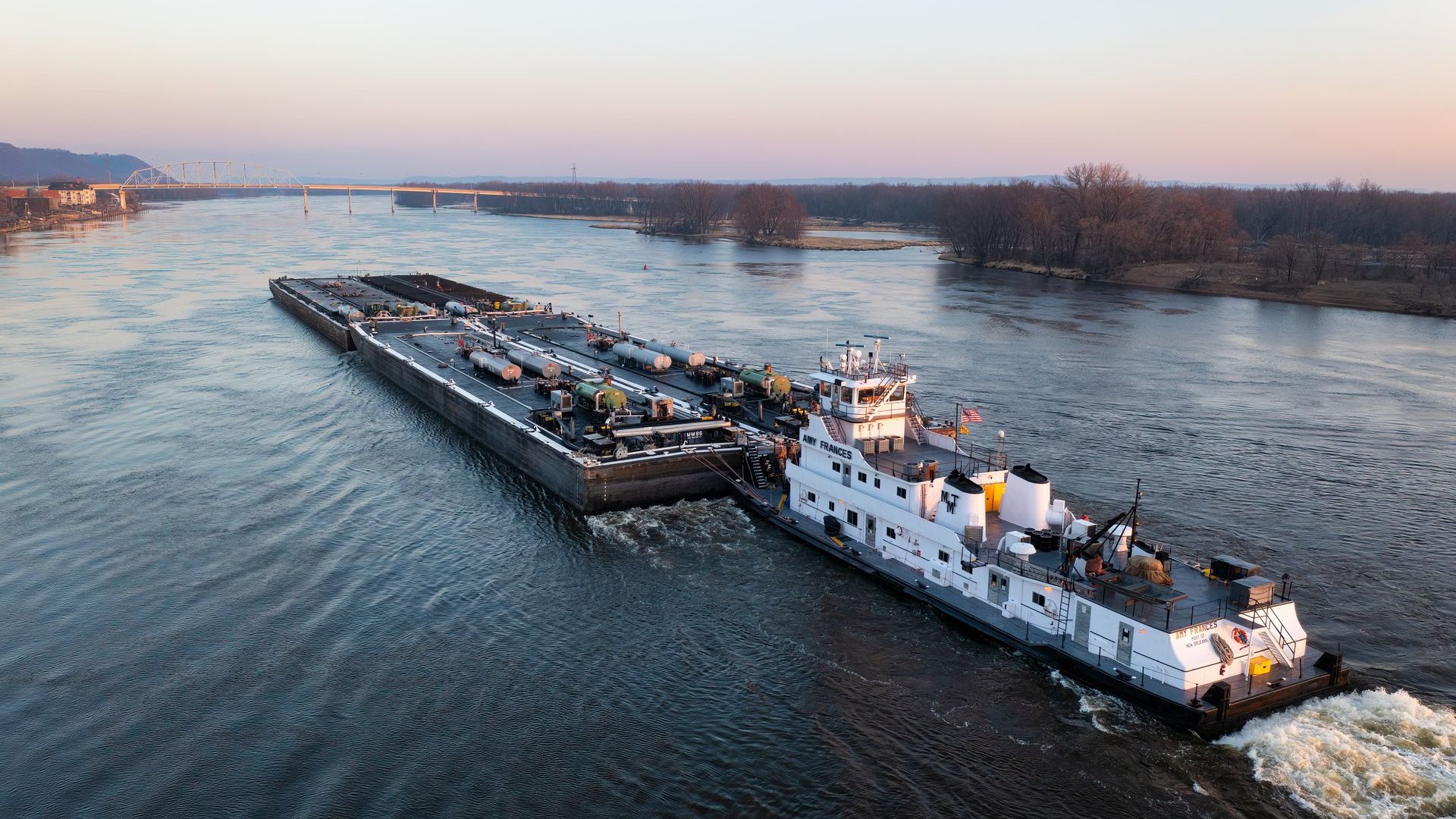
Stakeholder representative Edwin Ignaji highlighted Lokoja's position at the confluence of the River Niger and River Benue. In theory, that geography can connect agricultural producers, miners and manufacturers to markets across Nigeria without putting every tonne on the same congested highways that feed Lagos ports.
He listed the usual road headaches: multiple charges, checkpoint delays, storage costs, accidents, security concerns and poor road conditions. Inland waterways, he argued, could take some of that pressure if infrastructure, navigation, security and commercial operating models are workable.
That "if" is the whole story. Nigeria has talked about coastal and inland water transport for years. What shippers need is not another communiqué; they need draft, reliable channels, secure berths, predictable Customs procedures and barge operators who publish schedules and prices.
What would make river cargo real for a shipper
Before you divert a single container or break-bulk consignment onto the water, test these questions with your forwarder and the Command:
- Which commodities fit? Heavy, non-urgent bulk (grains, minerals, construction inputs) usually suits barge better than high-value electronics with tight retail windows.
- Where are the workable berths? A confluence city helps only if there is a usable jetty, storage and road link at both ends.
- What does Customs clearance look like? Marine Commands need clear procedures for river craft so cargo is not examined twice or delayed for lack of a process map.
- Who carries the security and insurance risk? River routes need escorts or credible security arrangements, and insurers must price the mode fairly.
- What is the door-to-door cost versus road? Include stuffing, barge freight, handling, last-mile trucking and time value of inventory.
- Is the service year-round? Seasonal draft limits on parts of the Niger–Benue system can strand cargo mid-journey if planning is weak.
How this links to port and haulage pain
The Lokoja conversation sits beside other October themes: NPERA talking down avoidable port costs, Tin Can enforcing call-up at the gate, and highway levies pushing truck operating costs higher. Every naira spent on duplicated road charges makes a slower but cheaper barge look more attractive for the right cargo.
Exporters of sesame and other northern commodities, and importers feeding factories inland, should treat inland waterways as a capacity option, not a slogan. Even a partial shift of non-urgent volume can free road slots for time-sensitive boxes.
Checklist if you want to pilot a river move
- Pick one lane and one commodity for a trial, not your entire book.
- Ask Customs NWMC Lokoja which document path applies to that craft and cargo.
- Get written quotes from at least one barge operator and compare with your current truck rate on the same door-to-door scope.
- Check insurance and whether your buyer or bank accepts the mode on the letter of credit or sales contract.
- Plan storage at both ends so a late barge does not create demurrage-by-another-name in a riverside shed.
- Keep road as backup for the first few sailings until reliability is proven.
- Record actual transit time and cost so the next shipment decision is based on your numbers, not a summit speech.
Move cargo the smart way with Septmax
Whether your next consignment goes by road, sea or a future river leg, the documents and the last mile still have to line up. Septmax Logistics helps shippers plan routes, clear cargo and deliver door to door across Nigeria. Call +234-707-476-0270, email logistics@septmax.com or visit septmax.com. If you can dream it, we can handle it.