Most containers that land in African ports finish their journey on the back of a truck. That is slow, expensive and hard on roads. Two moves in late October show that port-to-inland rail is slowly becoming a real option on the continent: a new dedicated container train in Kenya, and a Ghanaian railway now open to private freight operators.
Neither changes how cargo moves overnight. But if you ship to East Africa or Ghana, sell into those markets, or work in trucking, forwarding or rail, here is what happened and what it means in practice.
Kenya: a weekly container train from Mombasa to Nairobi
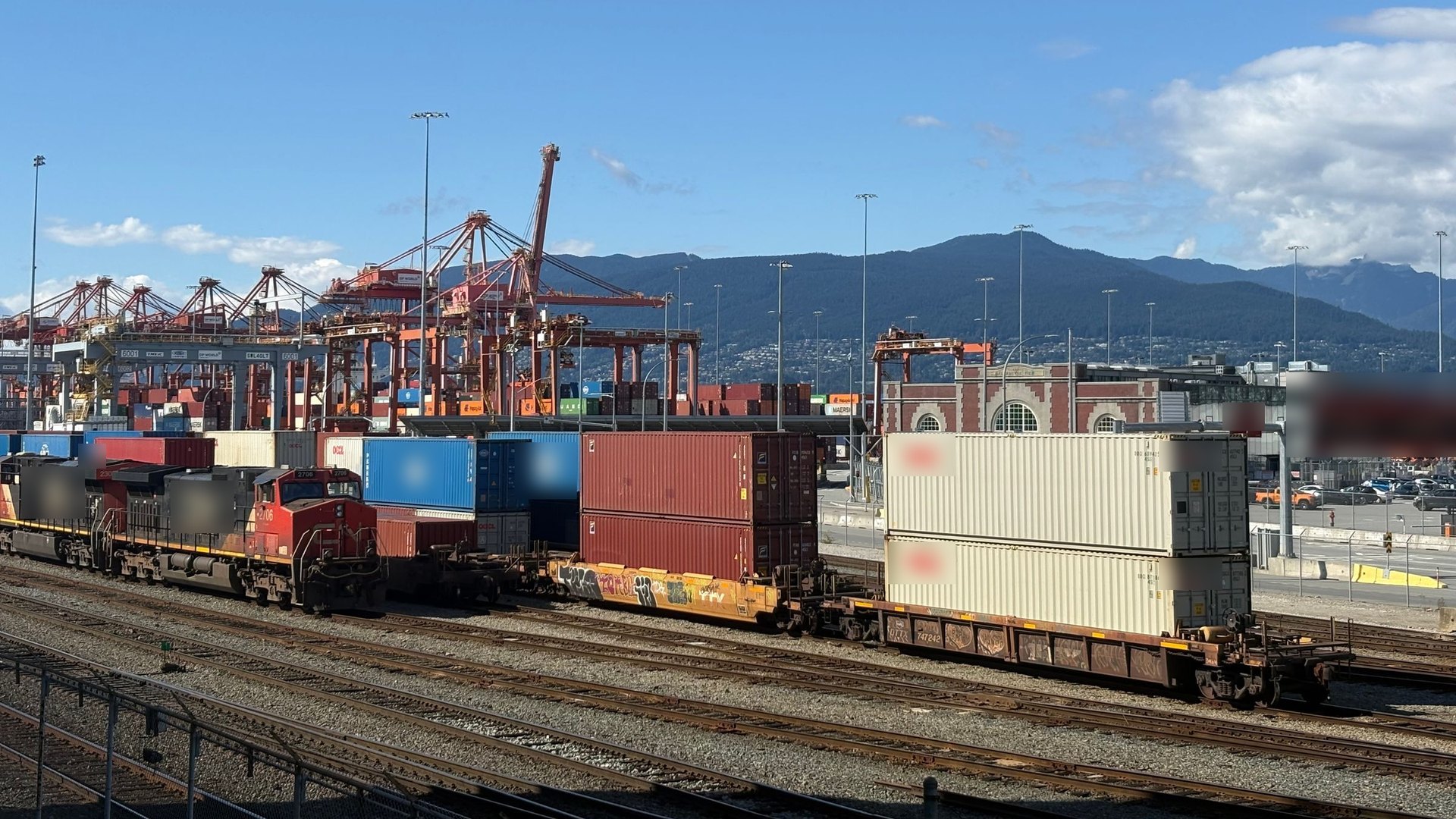
On 28 October, CMA CGM launched its first dedicated block train between the Port of Mombasa and the Nairobi-Embakasi Inland Container Depot (ICD), using Kenya’s Standard Gauge Railway (SGR). A “block train” is one that runs as a single unit from origin to destination for one customer, without being split or shunted along the way.
According to the shipping line:
- The train has 54 wagons and can carry 108 TEUs (twenty-foot equivalent units, the standard measure of one 20ft container).
- It runs once a week to start with, carrying imported containers from Mombasa to Nairobi.
- CMA CGM will watch customer demand before adding more trains or a return service from Nairobi to Mombasa.
- It was developed with the Kenya Ports Authority (KPA) and Kenya Railways Corporation (KRC).
Kenyan business press reported that the first train carried a full 108 TEUs, and noted that the service’s real impact will depend on reliability, pricing, transit times and whether there is enough cargo for the return leg.
What it means for Kenya-bound cargo
For importers, the main gain is choice. A container booked on a CMA CGM ship can now move inland on the same carrier’s train, which can mean fewer handovers between companies and one point of contact if something goes wrong. Clearing at the Nairobi ICD instead of at the coast also keeps cargo closer to buyers in the capital and the wider inland market.
There are limits. One train a week is a small share of Mombasa’s traffic, so slots may fill up in busy weeks. Cargo that needs to move at short notice may still go by road. And a train only helps if the paperwork is ready: Kenya now requires an Advance Cargo Declaration code on the bill of lading before loading, and from 1 November a valid digital marine cargo insurance certificate before clearance. Our guide to Kenya’s digital marine cargo insurance rule covers that step.
Timing also matters this month. Maersk has announced a peak season surcharge of US$1,000 per 20ft container on China–Kenya cargo from 9 November, and CMA CGM’s November surcharge list includes US$300 per TEU on China–Mombasa cargo, as reported by Container News. A cheaper inland leg can help offset higher ocean costs, so ask for a door-delivered quote that compares rail and road.
Ghana: the Tema–Mpakadan line opens to private operators
In early October, the Ghana Railway Development Authority (GRDA) opened the Tema–Mpakadan railway to qualified private freight operators under what it calls an Open Access Model. In other words, private companies can now run cargo services on the line rather than leaving it to the state alone.
The roughly 97 km standard-gauge line links the Tema port area with Mpakadan, near the Volta Lake. According to Ecofin Agency and the GRDA:
- The GRDA signed an agreement with logistics firm International Service Solution (ISS) to grow container traffic. It is the second such deal on the line in 2026.
- The GRDA’s chief executive, Frederick Appoh, said about 2,500 to 3,000 containers had moved on the line since cargo operations started in September 2026.
- Three locomotives and 20 wagons are expected by December 2026. One locomotive is for GRDA’s own use; the other two and the wagons are meant for a private operator.
- The line is underused partly because its signalling allows only one train movement at a time. The EU has provided €20 million to upgrade signalling, but no firm timetable has been published.
- Plans include moving containers from rail onto barges on Lake Volta towards northern Ghana, and, in the longer term, extending rail towards Burkina Faso, as RailMarket and Ecofin report.
What it means for Ghana and the Sahel
For now, this is a line with real but limited capacity. A few thousand containers in two months is a start, not a shift. The bigger story is the model: if private operators can bring their own trains and customers, rail volumes can grow faster than the state could manage alone.
For cargo heading to northern Ghana, Burkina Faso, Mali or Niger, a rail-plus-barge route could one day take trucks off the long road north from Tema. Shippers should treat it as something to test with small, non-urgent loads, not as the main plan for time-sensitive goods.
Lessons for shippers anywhere
These two stories have a lot in common with Nigeria’s own Apapa–Moniya rail export push. In each case, the track exists, but the value depends on how often trains run and how well rail links with ports, depots and customs. Before booking cargo on any port-to-inland rail service, check these points:
- Frequency and cut-off. A weekly train means your container may wait up to a week at the port. Compare that with the cost of storage and demurrage.
- Where customs clearance happens. Is the cargo cleared at the port or at the inland depot? This decides where your clearing agent must be and which documents must be ready first.
- Who carries the risk. Find out who is responsible for the container between ship, train and depot, and make sure your insurance covers each leg.
- The last mile. A train ends at a depot, not at your warehouse. Budget the final truck trip and any depot charges.
- Empty return. Ask where the empty container must go back to. A cheap inland leg can turn expensive if the empty has to be trucked back to the coast.
- Total cost, not rate. Compare door-to-door cost and total transit time for rail and road side by side, including waiting time.
Who should pay attention
- Freight forwarders and clearing agents serving Kenya or Ghana can offer rail as an option, but need to plan clearance at inland depots.
- Truckers and haulage firms should not see rail as only a threat. Every train still needs trucks at each end, and short-haul depot work may grow.
- Students and young logistics workers should note that rail operations, depot management and intermodal planning are growing skill areas across Africa.
How Septmax can help
Septmax Logistics helps importers, exporters and individuals plan shipments into and out of Nigeria and across West Africa, from China and beyond. If you are comparing routes, need help budgeting the inland leg, or want to know which documents to prepare before your cargo sails, call us on +234-707-476-0270 or email logistics@septmax.com and we will help you plan it.