If you grow onions in Sokoto, Kebbi or Kano, buy them in bulk for traders in Ghana or Mali, or drive the trucks that carry them south and west to the borders, there is news worth paying attention to. The Nigeria Customs Service (NCS) says it is developing a single, standard export procedure for onions that will apply the same way at every designated land border.
The plan was announced on Tuesday, 3 November 2026, at a meeting on a Standard Operating Procedure (SOP) for onion exports held at Customs headquarters in Abuja. The Comptroller-General of Customs, Adewale Adeniyi, was represented by Deputy Comptroller-General Timi Bomodi, who oversees Enforcement, Inspection and Investigation.
This post explains what was announced, why it matters for a crop that can rot in a queue, and what farmers, aggregators and truckers can do now, before the new procedure is published.
What Customs actually announced
According to reports of the meeting by PRNigeria and Shipping Position, the key points are:
- One procedure for every border. The meeting followed a letter from Aliyu Maitasamu Isah, President of the Regional Observatory of the Onion Sector in West and Central Africa, asking for a harmonised format so that the same rules apply at every Nigerian border post.
- A big trade to protect. Bomodi cited Federal Ministry of Finance data putting the local and regional onion trade at more than ₦200 billion.
- ECOWAS first. The framework will mainly cover trade within the Economic Community of West African States (ECOWAS), where Nigerian onions count as “originating goods” because they are wholly obtained from Nigerian farms. Bomodi named Ghana and Mali among the markets Nigerian onions already reach.
- Faster movement from farm to exit point. He said the framework should make it easier to move produce from Kebbi, Sokoto, Kano and other producing states to any exit border.
- Quality and paperwork still count. He stressed documentation, standardisation and quality control, noting that agricultural exports face strict rules on herbicides, pesticides, packaging and sizing, and that Customs works with Plant Quarantine, NAFDAC and other agencies, including on phytosanitary certificates.
Isah, for his part, asked Customs for special measures to ease onion exports and thanked the Service for stepping in to reduce border harassment and extortion.
It is important to be clear about one thing: the SOP is still being developed. No final document, start date or list of designated borders had been published when this post was written. Treat this as a direction of travel, not a new rule you can quote at a checkpoint yet.
Why onions need their own procedure
Most export goods can wait a day or two at a border without losing value. Onions cannot. Bomodi himself described them as highly perishable and prone to damage in transit, and said long delays cause huge losses for farmers and traders.
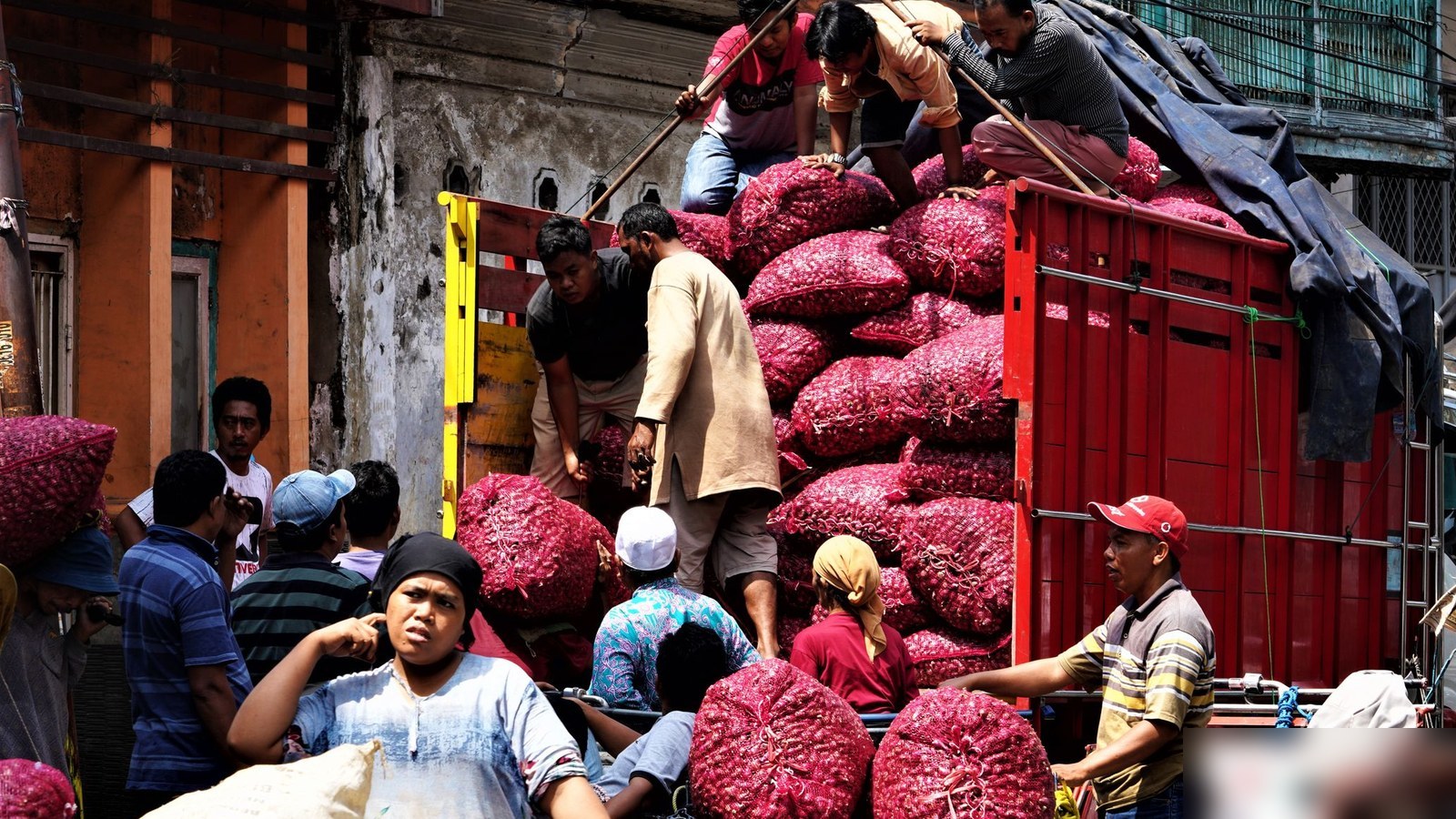
A truck of onions stuck in heat, packed tightly in mesh sacks with poor airflow, starts to lose weight and quality quickly. Sprouting, soft rot and bruising all eat into the price the buyer will pay in Accra, Kumasi or Bamako. When each border post handles paperwork differently, a trader cannot plan how long the trip will take, and every unplanned hour is money lost.
A uniform procedure would, in principle, let exporters know in advance exactly which documents to carry, which checks to expect and where they will happen. That predictability is often worth as much as any fee reduction.
What the ECOWAS rules already say
Even before the SOP is out, some rules are already settled, and they are useful to know.
Under the ECOWAS Trade Liberalisation Scheme (ETLS), goods that originate in ECOWAS can move between member states without customs import duties. The ECOWAS protocol on rules of origin treats vegetable products harvested within member states as wholly produced there, and it states that a certificate of origin is not required for agricultural and livestock products.
That does not mean onions travel with no papers at all. The Federal Ministry of Industry, Trade and Investment’s ETLS export guide for Nigerian small businesses says agricultural goods can trade duty-free in the region without an ETLS certificate of origin, but with the appropriate sanitary certificate from the Nigeria Agricultural Quarantine Service. Côte d’Ivoire’s trade portal makes the same point from the other side of the border: the phytosanitary certificate must be obtained in the country of origin. Also note that the ETLS duty exemption does not cover VAT or excise where a member state charges them.
In plain terms: your onions should not pay import duty in Ghana or Mali if they are genuinely Nigerian-grown, but a missing or doubtful phytosanitary certificate is one of the easiest reasons for a truck to be held.
What farmers, aggregators and truckers can do now
You do not need to wait for the SOP to cut your border risk. A few habits help on every trip.
- Get the phytosanitary certificate before loading, not at the border. Contact the Nigeria Agricultural Quarantine Service early, keep the original with the driver, and keep copies with the exporter and the buyer.
- Make sure the paperwork matches the truck. The number of bags, the weight, the description and the truck details on your export documents should match what is actually loaded. Mismatches invite examination and delay.
- Grade and pack properly. Bomodi singled out packaging and sizing. Sort by size, remove damaged or sprouting bulbs, and use clean, well-ventilated bags so the load arrives looking like what the buyer ordered.
- Load for airflow and travel in the cool hours. Do not overpack the truck, keep a tarpaulin for shade and rain rather than sealing the load airtight, and plan departures so the longest stretches happen early in the day or at night where it is safe.
- Know your route and exit point. Agree the border crossing with your buyer before you set off, and check whether it is a designated exit for agricultural exports, since the SOP is expected to apply at designated land borders.
- Keep a record of every stop. Note where the truck was stopped, by whom and for how long. If the new procedure comes with a complaints channel, those records will be your evidence. Industry leaders have already raised harassment and extortion at the borders with Customs.
- Watch for the final SOP. Follow official Nigeria Customs Service announcements and your trade association, and do not rely on forwarded voice notes or unverified “new rule” messages.
What to watch next
Three questions will decide how much difference this makes on the road:
- Which borders are designated, and whether the same procedure really is applied at all of them.
- How the SOP connects to other agencies, especially plant quarantine and food safety checks, so that exporters are not inspected separately by each one.
- Whether it reduces stops between the farm and the border, not just at the border post itself. For a perishable crop, the journey from Sokoto or Kano to the frontier can matter as much as the crossing.
If it works for onions, the same approach could be a model for other perishable exports moving across West Africa, from tomatoes and peppers to fresh fruit.
How Septmax can help
Septmax Logistics works with exporters, traders and farmers who want their goods to leave Nigeria with the right documents and arrive in good condition. Whether you are sending produce by road to a neighbouring country, consolidating cargo for export, or just want a second pair of eyes on your paperwork before the truck leaves, talk to our team.
Call +234-707-476-0270 or email logistics@septmax.com to plan your next export shipment.