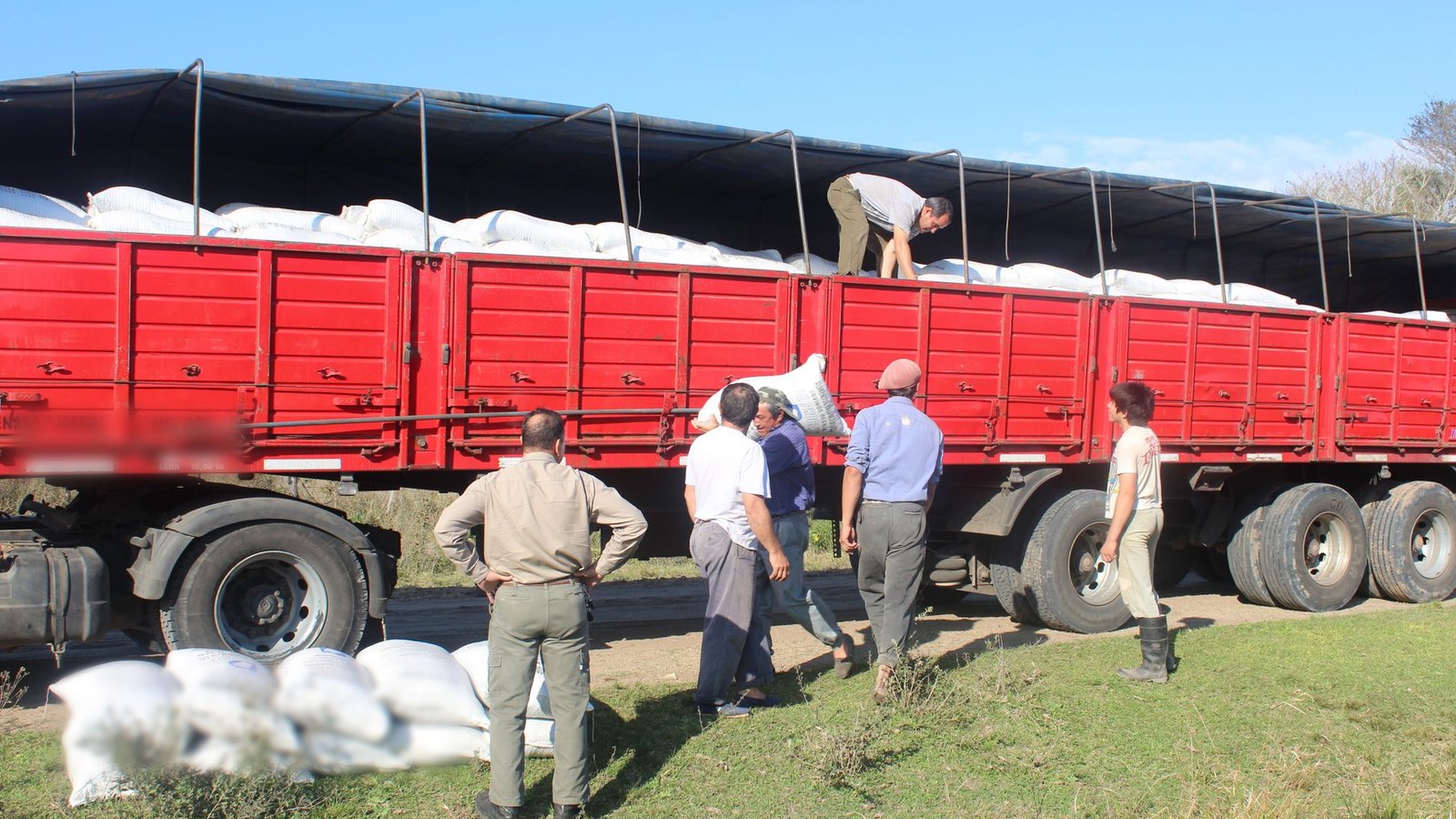
If you bring goods into Nigeria through the Port of Cotonou, where your container gets opened has just changed. Since Thursday, 5 November 2026, the Port Autonome de Cotonou (PAC), Benin’s port authority, has made it compulsory to unstuff certain Nigeria-bound transit containers at a customs-controlled logistics site at Djèffa, outside the port, instead of inside the terminal.
For Nigerian traders who use Cotonou, the Benin-side clearing agents who handle their files, and the truckers who carry the goods to the Seme and Idiroko borders, this is a practical change worth understanding now, before a container lands in the wrong queue.
What exactly changed
The port authority published notice No. 2763/26, titled (in French) “mandatory transfer of unstuffing operations for 20-foot containers in transit to Nigeria to the Djèffa site, from 5 November 2026”, on its website. According to La Marina BJ, which reviewed the note, the rules in this first phase are:
- Which containers: 20-foot containers in transit to Nigeria whose bills of lading show a destination via Igolo (the Benin post opposite Idiroko in Ogun State) or Kraké (opposite Seme in Lagos State).
- The 40-foot exception: a 40-foot container that sits on the same bill of lading as one of those 20-footers must also be unstuffed at Djèffa.
- Everything else: other 40-foot containers will, for now, still be unstuffed inside the Port of Cotonou.
- How it rolls out: the note describes a progressive transfer, so more categories could follow.
“Unstuffing” (dépotage in French) simply means opening the container and taking the goods out, usually so they can be loaded onto trucks for the road trip to the border. Djèffa is east of Cotonou, on the side of the city facing the Nigerian border.
Why Cotonou is doing this
The short answer is space. La Marina reports that Cotonou handled about 7.79 million tonnes of cargo in the first half of 2026, up 16.6% from 6.68 million tonnes a year earlier. That growth has put pressure on terminal yards, and the port has been trying fixes since December 2025, including an emergency plan to speed up deliveries at Bénin Terminal and deadlines for licensed customs agents to take cargo out.
On 24 October, the main players in the port moved to round-the-clock, seven-day working. (We covered that in Cotonou Port Now Releases Cargo on Weekends.) Moving some unstuffing out to Djèffa is the next step: if containers are opened somewhere else, the terminal yard frees up faster.
Cotonou isn’t alone. In its week 45 Africa operational update, Hapag-Lloyd describes Abidjan’s import yard as heavily congested, with dwell time up from 5 to 22 days, and reports yard congestion and delays at Apapa, Tin Can and Onne in Nigeria. Ports across the coast are looking for room.
What it means for Nigerian importers and traders
Check your bill of lading wording. The rule is triggered by what the bill of lading says about the destination. If your 20-footer’s B/L shows transit to Nigeria via Igolo or Kraké, expect it to go to Djèffa. If you’re not sure how your B/L is worded, ask your forwarder before the vessel arrives, not after. (Our bill of lading explainer covers what each field means.)
Think about how you mix container sizes. Because a 40-footer on the same B/L as an affected 20-footer also goes to Djèffa, splitting or combining containers across bills of lading now affects where your goods are handled. Talk to your forwarder about this at booking.
Budget a little extra time while it settles. Any new site takes a while to run smoothly. La Marina notes that how well this works will depend on Djèffa’s capacity and on coordination between port and customs services. Don’t promise customers a tight delivery date in the first few weeks.
Ask about costs in writing. We haven’t seen a public schedule of any extra charges for moving containers to Djèffa or handling them there. La Marina also flags transport arrangements and possible extra costs as things to watch. Before you approve a job, ask your agent for an itemised quote that shows any transfer, handling or storage charges at the new site.
What it means for clearing agents in Benin
Agents (transitaires) handling Nigeria transit files need to update their routines:
- Flag every affected B/L as soon as the manifest is available, including any 40-footers on the same B/L.
- Confirm with the terminal and the Djèffa site how containers will be transferred and who books the move.
- Check where customs supervision of the unstuffing takes place and what paperwork must travel with the box.
- Tell clients early, in plain language, so nobody is surprised by a new location or a new line on an invoice.
What it means for truckers heading to Seme and Idiroko
If you load Nigeria-bound transit goods in Cotonou, your pickup point for affected cargo is now Djèffa, not the port. That can change your route, waiting area and turnaround time, so confirm the loading point with the agent before you set off. Keep the same discipline at the border as before. Our guide to the Seme–Kraké customs data link explains the effort to cut crossing times, and correct, matching documents remain the fastest way through.
Should you still use Cotonou?
Many Nigerian traders pick Cotonou because of price, speed or habit, while others land cargo directly at Lagos or route through Lomé. There’s no single right answer. It depends on your goods, your buyers’ locations and the full door-to-door cost, including transit, border crossing and any delays. If you’re comparing options, our post on why clearing in Lagos can cost more than Lomé is a useful starting point. Whichever port you choose, the lesson from Djèffa is the same: rules at West African ports are changing fast, so check before every shipment instead of assuming last month’s process still applies.
Talk to Septmax before your next shipment
Septmax Logistics helps importers move cargo into Nigeria, from China-to-Nigeria door-to-door shipping to freight forwarding and customs clearance. If you’d like help weighing your port options or planning your next shipment, call us on +234-707-476-0270 or email logistics@septmax.com.