If you ship through Lagos, or grow cocoa, rice, timber or minerals in the South-South, Friday 13 November 2026 was a date to note. Vice-President Kashim Shettima, standing in for President Bola Tinubu, broke ground on the planned Bakassi Deep Seaport in Cross River State.
The ceremony does not mean a new harbour will open next year. It does mean the Federal Government has formally started a project that has been discussed since 2014, and that officials now present as a second major maritime gateway beside Lagos. Here is what has actually been announced, where the figures differ, and what shippers, exporters, manufacturers and job-seekers should do while the port is still years away.
What was flagged off
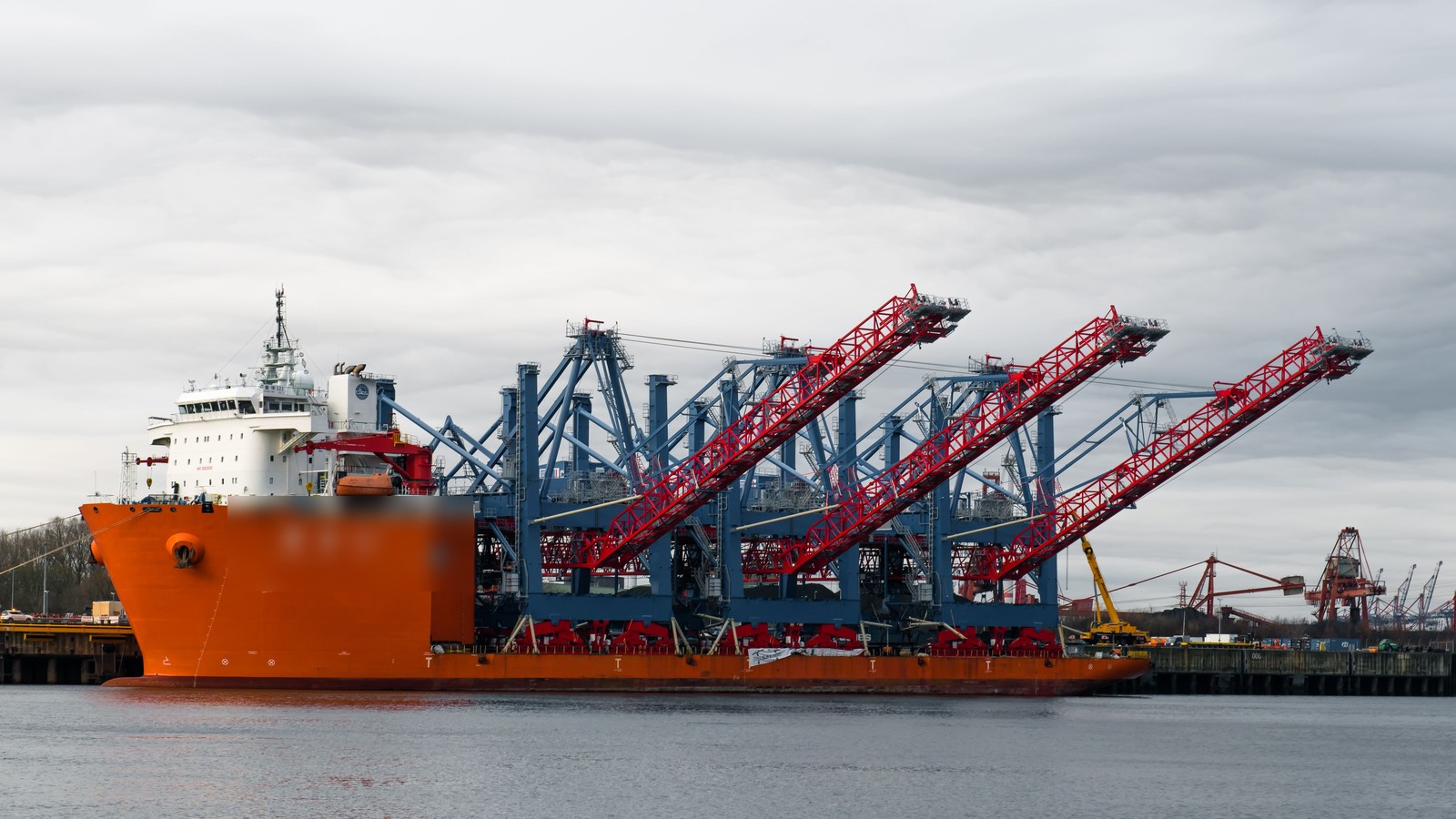
The President, Punch reports, described Bakassi as a national investment meant to expand maritime trade, attract industry and create jobs. He said the facility is designed with a 20-metre draft, so it can take large vessels that currently bypass Nigerian ports, and that it would be linked to a 260-kilometre superhighway to move cargo inland.
He also put Lagos’s share of Nigeria’s foreign trade at more than 80 per cent, and argued that this concentration adds to congestion and cost. “Lagos is not our enemy. Lagos is our elder brother in trade. No country eats with one hand,” he said, in remarks also carried by The Guardian. “When Calabar works, Nigeria works on two legs.”
The President said Nigeria has not fully used its Gulf of Guinea coastline, and that neighbouring ports have handled cargo that could have gone through Nigeria. He named cocoa, rice, timber and solid minerals as goods that should reach international markets more easily once a deep-water gateway exists in the east, Baird Maritime also reported.
The money: three figures, not one
Treat the financing numbers carefully, because official statements do not all use the same total:
- The project is widely described as a US$3.5 billion public-private partnership. Punch and The Guardian say the President credited work towards a $3.5 billion financing arrangement with the African Export-Import Bank (Afreximbank) and formalising the PPP framework in February 2025.
- Cross River Governor Bassey Otu said the state had completed an environmental impact assessment and hydrographic, geotechnical and geophysical surveys, obtained federal approvals, and secured an initial funding approval of US$2.27 billion.
- In October, Afreximbank said the state had appointed it financial adviser for what the bank then described as a US$1.7 billion Bakassi Deep Seaport project, according to Baird Maritime.
Those figures may describe different scopes (the full project, an initial package, or an earlier advisory mandate). Until the sponsors publish a single, detailed financing plan, do not budget or invest on the basis of any one headline number.
What else officials said
Governor Otu said selected Cross River indigenes are already in specialised training for construction and operational roles, and pointed to a three-way corridor linking the state’s airport, the proposed seaport and the Lagos-Calabar Coastal Highway. He invited maritime and industrial investors to use the state’s one-stop investment hub and tax incentives.
Marine and Blue Economy Minister Gboyega Oyetola said Bakassi, integrated with the coastal highway, should improve market access for Cross River, the South-South and the wider economy. He also listed other ministry claims, including agency revenue rising from ₦700.79 billion in 2023 to ₦1.83 trillion in 2025, approval to modernise six legacy seaports, and the lifting of United States Coast Guard restrictions on Nigerian-bound vessels in August 2026. Those are the minister’s figures and claims, as reported by Punch and The Guardian; they are not independent proof that Bakassi itself will open on a fixed date.
Afreximbank President George Elombi, Baird Maritime reports, said access for larger vessels could cut cargo transport costs, but also warned that the seaport needs accompanying roads, industrial and agro-processing zones, electricity, water and digital links. That caveat matters. A deep berth without inland connections would not, by itself, decongest Lagos or cut a farmer’s cost to market.
What it means if you move cargo today
1. Do not reroute cargo on the strength of a groundbreaking. Physical construction of a deep-water port, even after surveys and approvals, typically takes years. Lagos, including Apapa and Tin Can, will remain Nigeria’s main container gateway for the foreseeable future. Our guide to the delayed Apapa and Tin Can rebuild explains what to plan for at those two ports in the meantime.
2. If you export from the South-South or South-East, use the ports that already exist, but keep Bakassi on your medium-term map. Onne, Calabar, Warri and Port Harcourt already handle project, bulk and some container cargo. Ask your forwarder which of those gateways actually offers a service for your commodity, and what draft, equipment and inland transport look like today. When Bakassi eventually opens, the exporters who already have packing, quality and documentation routines will be first in line.
3. For cocoa, rice, timber and minerals, the bottleneck is still the journey to the ship. A 20-metre berth only helps if produce can reach it in good condition, with phytosanitary certificates, packing lists and a booked vessel. Farmers’ cooperatives and processors should keep investing in aggregation, storage and road or barge links now, rather than waiting for a new quay.
4. Watch the supporting projects, not only the ceremony. The 260-kilometre superhighway, the coastal highway connection, power and industrial zones will decide whether Bakassi becomes a working gateway or an isolated berth. Ask for published timelines, not slogans.
5. Jobs will come in phases. Construction, then terminal operations, then logistics around the port. Otu said training of some local people has started. If you want a role, follow official Cross River and contractor announcements; do not pay anyone who claims they can “sell” a Bakassi job.
What to watch next
- A published construction timetable and the identity of the terminal operator or PPP partners.
- A single, official project cost and financing breakdown that reconciles the $3.5 billion, $2.27 billion and $1.7 billion figures.
- Progress on the superhighway, coastal highway links, power and agro-processing zones.
- Any indication of which cargo types (containers, bulk, oil-related, fishing) the first phase will actually handle.
How Septmax can help
Septmax Logistics helps importers, exporters and businesses move cargo through Nigeria’s existing ports and from China to Nigeria door to door. If you export from the South-South or South-East, or you are planning around Lagos congestion while new gateways are still being built, we can help you compare the routes that are available today.
Call +234-707-476-0270, email logistics@septmax.com, or visit septmax.com to talk to our team.