
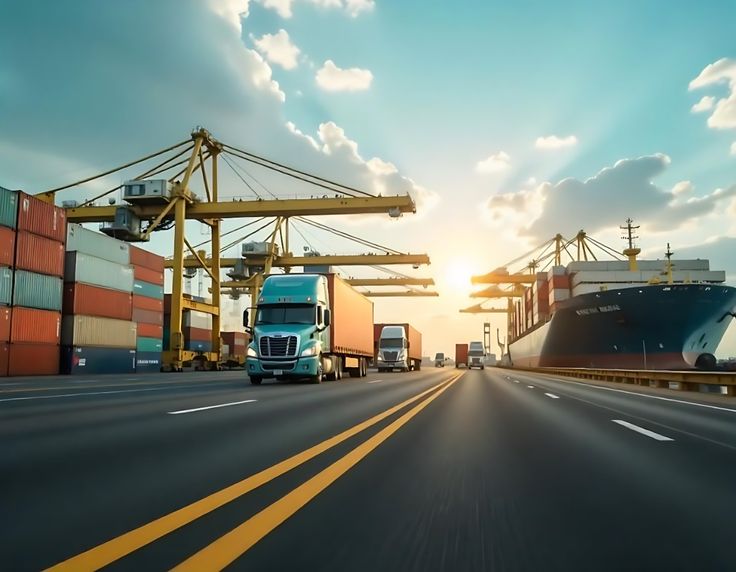
Every importer expects their goods to arrive on time. Unfortunately, cargo delays at Nigerian ports remain a common challenge, often resulting in increased costs, disrupted business operations, and dissatisfied customers.
While some delays are unavoidable, many can be prevented through proper planning and compliance. Here are eight common reasons why goods are delayed at Nigerian ports—and how you can avoid them.
- Incomplete or Incorrect Documentation
One of the leading causes of cargo delays is inaccurate or missing documentation. Errors in invoices, packing lists, Bills of Lading, Form M, or other required documents can slow down the customs clearance process.
How to avoid it: Ensure all shipping documents are complete, accurate, and submitted on time.
- Delays in Customs Clearance
Cargo cannot be released until Customs completes the necessary assessments and examinations. Any discrepancies or compliance issues may result in additional inspections.
How to avoid it: Work with an experienced customs clearing agent who understands the latest Nigeria Customs Service procedures.
- Regulatory Agency Inspections
Certain products require approval from regulatory agencies such as NAFDAC, SON, NDLEA, or the National Agricultural Quarantine Service. Delays can occur if the required permits or certifications are unavailable.
How to avoid it: Obtain all necessary approvals before your shipment arrives.
- Incorrect Tariff Classification
Using the wrong Harmonized System (HS) Code may lead to incorrect duty assessments, additional verification, or penalties.
How to avoid it: Ensure your products are properly classified before shipment.
- Outstanding Duty Payments
Cargo cannot be released until all applicable customs duties, taxes, and port charges have been paid.
How to avoid it: Budget for all import-related costs and make payments promptly.
- Port Congestion
Heavy traffic at ports can slow cargo handling and container movement, especially during peak import periods.
How to avoid it: Plan shipments early and maintain flexibility in delivery schedules where possible.
- Poor Communication
Miscommunication between importers, suppliers, freight forwarders, shipping companies, and customs brokers often leads to avoidable delays.
How to avoid it: Maintain regular communication with every party involved in your shipment.
- Working with Inexperienced Logistics Providers
Choosing an inexperienced logistics company can result in documentation errors, compliance issues, and unnecessary delays.
How to avoid it: Partner with a reputable logistics company that understands every stage of the import process.
Why Choosing the Right Logistics Partner Matters
A reliable logistics partner does more than move cargo—they help you plan, prepare documentation, coordinate customs clearance, and keep you informed throughout the shipping process.
At Septmax Nigeria Limited, we provide professional freight forwarding, customs clearance, haulage, sourcing, and logistics solutions designed to minimise delays and keep your business moving efficiently.
Conclusion
Every day your cargo spends unnecessarily at the port increases your costs. By understanding the common causes of delays and working with experienced logistics professionals, you can reduce risks, improve delivery timelines, and protect your business.
Whether you’re importing for the first time or managing regular shipments, proper planning and compliance are the keys to successful cargo clearance.
Let Septmax Simplify Your Import Process
Need expert support with customs clearance, freight forwarding, or end-to-end logistics?
📞 Call/WhatsApp: +234 707 476 0270
📧 Email: logistics@septmax.com
🌐 Website: www.septmax.com
Septmax Nigeria Limited – If you can dream it, we can handle it!

One thought on “8 Common Reasons Goods Are Delayed at Nigerian Ports (And How to Avoid Them)”