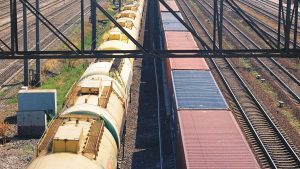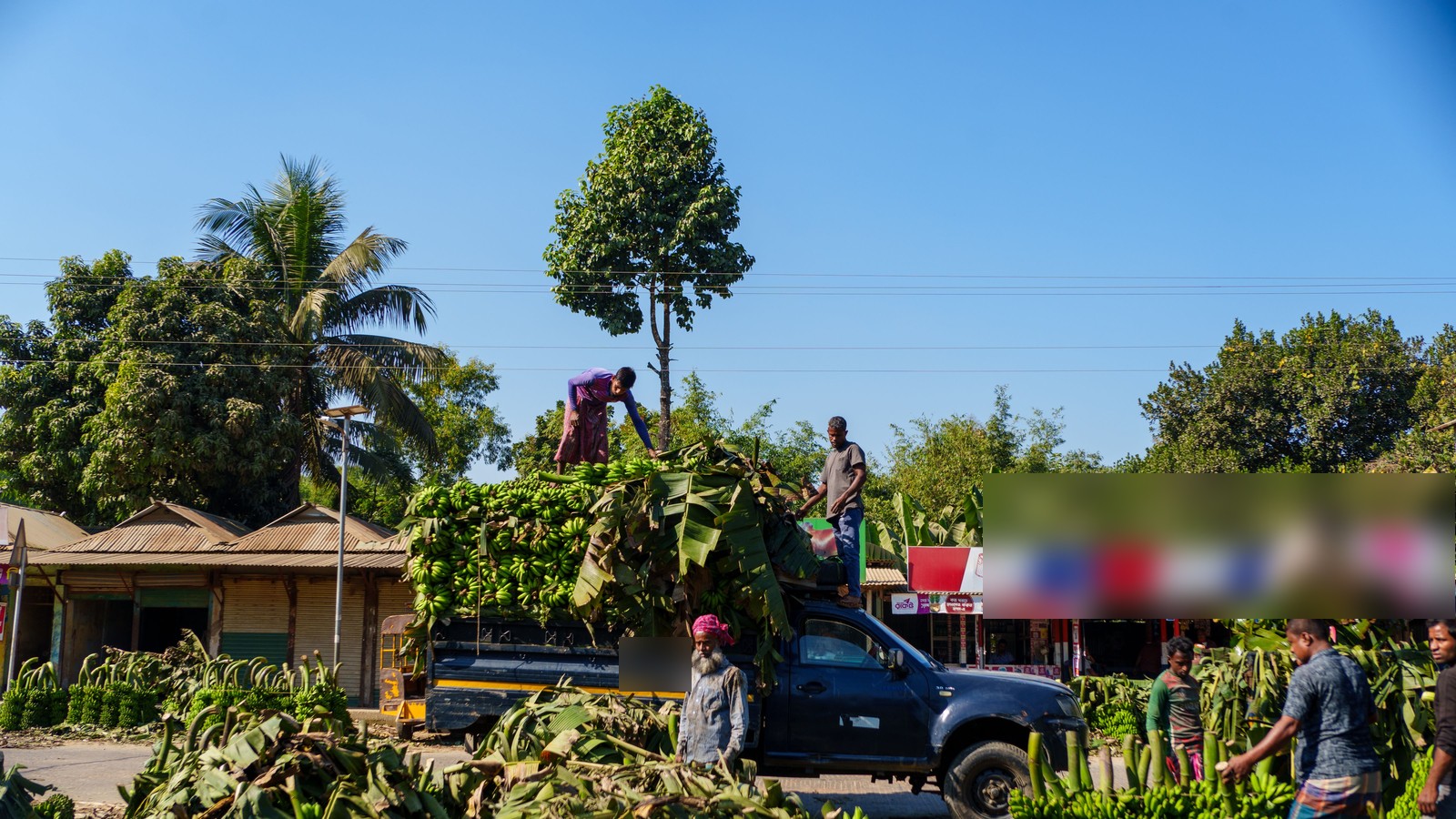
Nigeria’s harvest problem is not only how much is grown. It is how much spoils before it reaches a market, a factory or a ship. In a 5 November 2026 editorial, Vanguard set out a stark gap: the country is said to need about 11 million tonnes of cold storage, against less than 20,000 tonnes of long-term capacity.
The same article cited the Organisation for Technology Advancement of Cold Chain in West Africa (OTACCWA) as estimating that 30 to 40 million tonnes of food were lost in 2025, at a cost of ₦3.5 trillion to ₦5 trillion. Those are industry estimates, not a new official census, and they should be read as a scale of the problem rather than a precise invoice. Even as ranges, they explain why tomatoes rot on the road, why fish and vegetables lose value overnight, and why a good harvest does not always mean a good income.
A few days later, on 10 November, Agriculture and Food Security Minister Abubakar Kyari, represented by Permanent Secretary Marcus Ogunbiyi, told the FARMFATECH 2026 expo that government wants private investment in community cold-chain enterprises and new food-storage ventures, Leadership reported (via AllAfrica). Here is what those statements mean for farmers, cooperatives, produce traders and the people who haul food.
What the figures are saying
Vanguard also recalled the Food and Agriculture Organisation’s estimate that 36.3 million Nigerians faced acute food insecurity in the June–August 2026 lean season. In that setting, losing a large share of what is already harvested is not a side issue. Different foods need different methods: grains need drying and hermetic storage; onions need curing; fish, meat, fruit and vegetables need timely cooling and careful handling. Refrigeration will not rescue produce that is already damaged or dirty.
The cold-storage gap (11 million tonnes of need against under 20,000 tonnes of long-term capacity) is the infrastructure version of the same story. It does not mean there is no cooling anywhere in Nigeria. It means long-term, reliable capacity is tiny compared with the perishable harvest. That is why so much cooling, where it exists at all, is short-term, expensive, or concentrated in a few cities.
What the government says it wants to do
At FARMFATECH 2026, whose theme was local manufacturing, technology transfer and export, the minister invited development partners and private investors into mechanisation, equipment leasing, local assembly and cold-chain businesses. He said agro-processing in rural areas would cut transport costs and spoilage by turning crops into more stable intermediate products closer to the farm.
He also pointed to the National Agricultural Technology and Innovation Policy (NATIP) for 2022–2027, and to agro-conditioning centres: warehouses with cold-chain facilities meant to help farmers reach local and foreign markets faster and at better prices. Those centres, he said, are part of a wider post-harvest and value-chain plan.
These are policy statements and invitations to invest, not a list of open stores you can drive into tomorrow. Farmers should watch official Ministry of Agriculture and state announcements for sites that actually open, and should not pay a private agent who claims to be “selling” a place in a government cold room.
Lagos also has a large food-logistics project under construction at Epe, which we described when the first phase was reported as about 70 per cent complete. That hub, if it opens as planned, will help the Lagos market. It will not, on its own, cool a tomato harvest in Kano or a fish landing in the Niger Delta.
What farmers, cooperatives and produce traders can do now
1. Organise storage as a group, not only as a single farm. The minister urged farmers to form cooperatives and use commercially run mechanisation and storage services. A shared drying floor, a hermetic-bag store, or a pay-as-you-store cold room is easier to finance and to keep maintained than 50 half-empty private units.
2. Match the method to the crop. Dry grains to a safe moisture level before they go into bags or silos. Cure onions before a long trip, as any trader who has watched a wet load heat up already knows. Move tomatoes, leafy vegetables, fish and meat on the shortest possible journey, in the cool of the day or in a refrigerated vehicle if you can hire one for a full load.
3. Ask for a realistic cooling and transport price before you harvest. A cheap truck that takes two days, with many stops, can destroy more value than a dearer, direct trip. Include packing, weighing, and any market or park fees in the comparison, not only the diesel.
4. Keep basic records. A simple book or phone log of volumes, dates, destinations and losses will help you bargain with a store, a buyer or a lender. It is also what a cooperative needs if it wants to lease a cold room or a vehicle.
5. If you export, treat cold chain and paperwork as one job. A cooled consignee has no use for a late phytosanitary certificate or a missing packing list. Plan the documents with the same care as the temperature, and use the official export process rather than informal promises of a “fast lane.”
6. Do not ignore power. A cold room on an unreliable grid is a warm room after a few hours. Solar-supported stores, as Vanguard noted, are one way around that, but only if the equipment is installed, maintained and run to a temperature you can check with a thermometer, not only a sales brochure.
What to watch next
- Official lists of agro-conditioning centres and community cold-chain projects that actually open, and the fees they charge.
- The first-phase opening of the Lagos Epe food logistics hub, and whether similar hubs are announced in producing states.
- Finance products that treat a cold room, dryer or small truck as a productive asset, as the minister asked banks to do.
How Septmax can help
Septmax Logistics helps farmers, cooperatives and agro-exporters move produce to markets and to port, including cargo that needs careful handling and complete export documents. If you are planning a seasonal shipment and want a realistic transport plan, we can help you think through the route, the timing and the paperwork.
Call +234-707-476-0270, email logistics@septmax.com, or visit septmax.com to talk to our team.