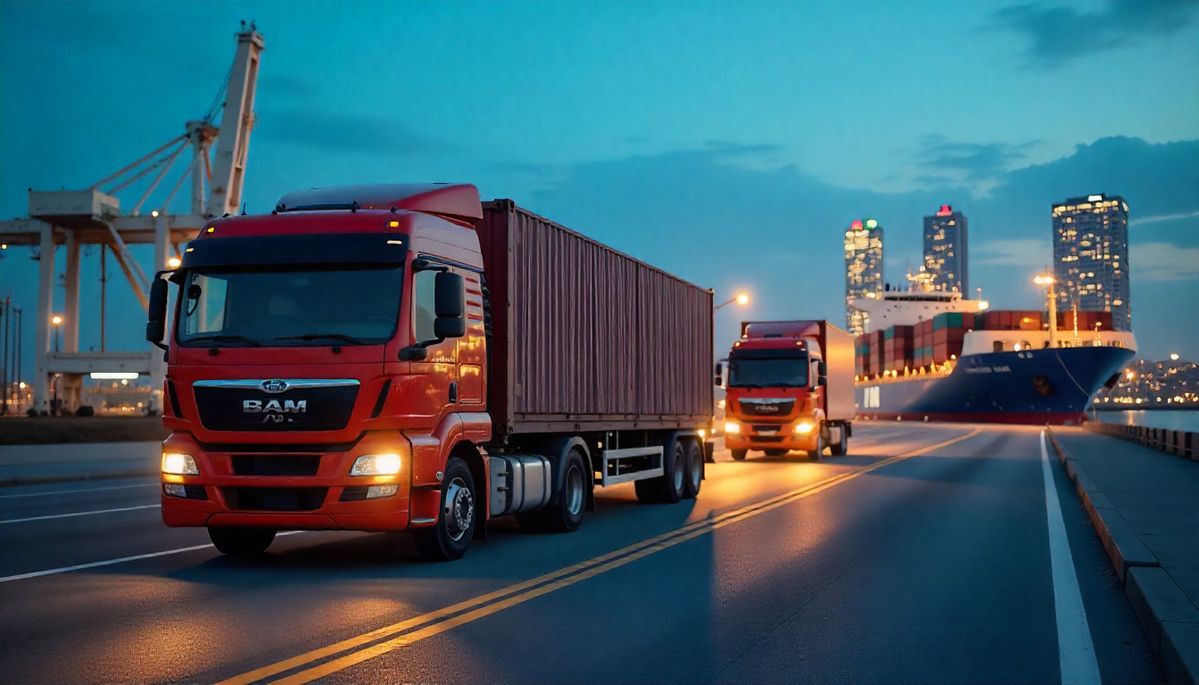
When importing goods by sea, one of the first decisions you’ll make is whether to ship your cargo as Full Container Load (FCL) or Less than Container Load (LCL). Understanding the difference between these two shipping methods can help you save money, improve delivery times, and choose the most efficient option for your business.
What Is FCL Shipping?
FCL (Full Container Load) means you book an entire shipping container for your cargo, even if you don’t use all the available space.
Common container sizes include:
- 20-foot container
- 40-foot container
- 40-foot High Cube container
Since the container is dedicated to your goods, it remains sealed from the point of loading until it reaches its destination.
Advantages of FCL Shipping
- Faster transit and handling
- Reduced risk of cargo damage
- Better security because your goods are not mixed with other shipments
- More cost-effective for large shipments
- Easier cargo tracking
Best For
- Large-volume imports
- Heavy cargo
- High-value goods
- Regular importers
What Is LCL Shipping?
LCL (Less than Container Load) allows multiple importers to share one shipping container. Each importer pays only for the space their cargo occupies.
This option is ideal for businesses that do not have enough cargo to fill an entire container.
Advantages of LCL Shipping
- Lower shipping costs for small shipments
- No need to wait until you have enough goods for a full container
- Suitable for startups and SMEs
- Greater flexibility for low-volume imports
Things to Consider
Because cargo from different importers is consolidated into one container, LCL shipments may require additional handling and slightly longer processing times.
FCL vs LCL: Key Differences
| Feature | FCL | LCL |
|---|---|---|
| Container Usage | Exclusive use | Shared with other importers |
| Shipping Cost | Higher upfront cost | Lower upfront cost |
| Transit Time | Generally faster | May take longer |
| Cargo Handling | Minimal handling | More handling during consolidation |
| Best For | Large shipments | Small shipments |
How to Choose the Right Option
Choose FCL if you:
- Import large quantities regularly.
- Need faster delivery.
- Ship fragile or valuable cargo.
- Want greater control over your shipment.
Choose LCL if you:
- Have a smaller shipment.
- Want to reduce freight costs.
- Are testing a new product or supplier.
- Import occasionally.
The best option depends on your cargo volume, budget, and delivery timeline.
Factors to Consider Before Shipping
Before deciding between FCL and LCL, ask yourself:
- How much cargo am I shipping?
- How urgently do I need delivery?
- What is my shipping budget?
- Is my cargo fragile or sensitive?
- Will I be importing regularly?
Answering these questions will help you choose the most suitable shipping method.
How Septmax Nigeria Limited Can Help
At Septmax Nigeria Limited, we help businesses determine the most efficient and cost-effective shipping solution based on their cargo requirements.
Our services include:
- Sea Freight (FCL & LCL)
- Air Freight
- Customs Clearance
- Haulage
- Cargo Tracking
- Import & Export Logistics
- End-to-End Supply Chain Support
Whether you’re importing a few cartons or multiple containers, our experienced team will guide you through every stage of the process.
Conclusion
Choosing between FCL and LCL shipping is an important business decision. While FCL offers speed and security for larger shipments, LCL provides an affordable solution for smaller cargo volumes.
Understanding the strengths of each option helps you reduce costs, improve efficiency, and make better logistics decisions.
If you’re unsure which shipping method is right for your business, consult an experienced logistics provider before booking your next shipment.
Ship Smarter with Septmax Nigeria Limited
Need help choosing the best shipping option for your cargo?
📞 Call/WhatsApp: +234 707 476 0270
📧 Email: logistics@septmax.com
🌐 Website: www.septmax.com
Septmax Nigeria Limited – If you can dream it, we can handle it!