Maersk has announced a new way of moving containers between Asia and West Africa. From the third week of December 2026, several of its West Africa services will start from two hub ports at the Strait of Gibraltar: Algeciras in southern Spain and Tanger Med in Morocco. At the same time, the Maersk and Hapag-Lloyd “Gemini” partnership is opening a new Asia service that sails through the Suez Canal straight to those two hubs from late November.
Together, these changes create a China–West Africa route through the Mediterranean instead of around the Cape of Good Hope. If you export produce from Côte d’Ivoire, Ghana or Liberia, buy goods from China for Lagos, Cotonou or Dakar, or work at a port or forwarding company in the region, here is what is changing and what to check before you book.
What Maersk announced
In a customer advisory dated 19 October 2026, Maersk said it is reorganising its Western Mediterranean–West Africa network:
- WAF1 (new): a dedicated loop of Algeciras – Tangier – Dakar – Algeciras. Maersk says this will improve connections to Dakar, including cargo from Asia Pacific and the Middle East.
- WAF5 (new rotation): Algeciras – Tangier – Monrovia – Abidjan – Takoradi – San-Pedro – Lagos – Algeciras. Maersk says the service will strengthen coverage of the Central West Africa range and support “key export flows”.
- WAF3: will add Tema, Onne and Pointe-Noire.
- WAF6: will add Cotonou.
The changes take effect from the third week of December in the Western Mediterranean, and Maersk notes that schedules may change. It has not yet published the full revised port lists for WAF3 and WAF6, so treat any detailed schedule you see for those two as provisional.
The Asia side: Gemini’s new SE5 / AE18 service
The West Africa changes link up with a new Asia–Mediterranean service. Hapag-Lloyd calls it SE5; Maersk calls it AE18. Its rotation is Shanghai – Xiamen – Tanjung Pelepas (Malaysia) – Suez Canal – Algeciras – Tanger Med – Algeciras – Suez Canal – Xiamen. The first sailing, the Maersk Edirne (voyage 647W), is scheduled to leave Shanghai on 22 November 2026. Hapag-Lloyd says the service also offers connections to West Africa via Tangier.
In the same reshuffle, some other Gemini services are dropping their Tangier calls. For example, Maersk says its AE2 service will call Rotterdam instead of Tangier westbound. So “Gemini via Tangier” is not enough detail. You need the exact service.
Why the Strait of Gibraltar, and why now?
Two trends sit behind the move:
- Ships are going back through Suez. Analyst Alphaliner found that about 63% of Asia–Europe container capacity (5.5 million of 8.7 million TEU deployed between mid-September and mid-October) was again on services using the Red Sea route. A Suez routing reaches the Mediterranean much sooner than a trip around Africa, which makes a Gibraltar hub a sensible relay point for West Africa.
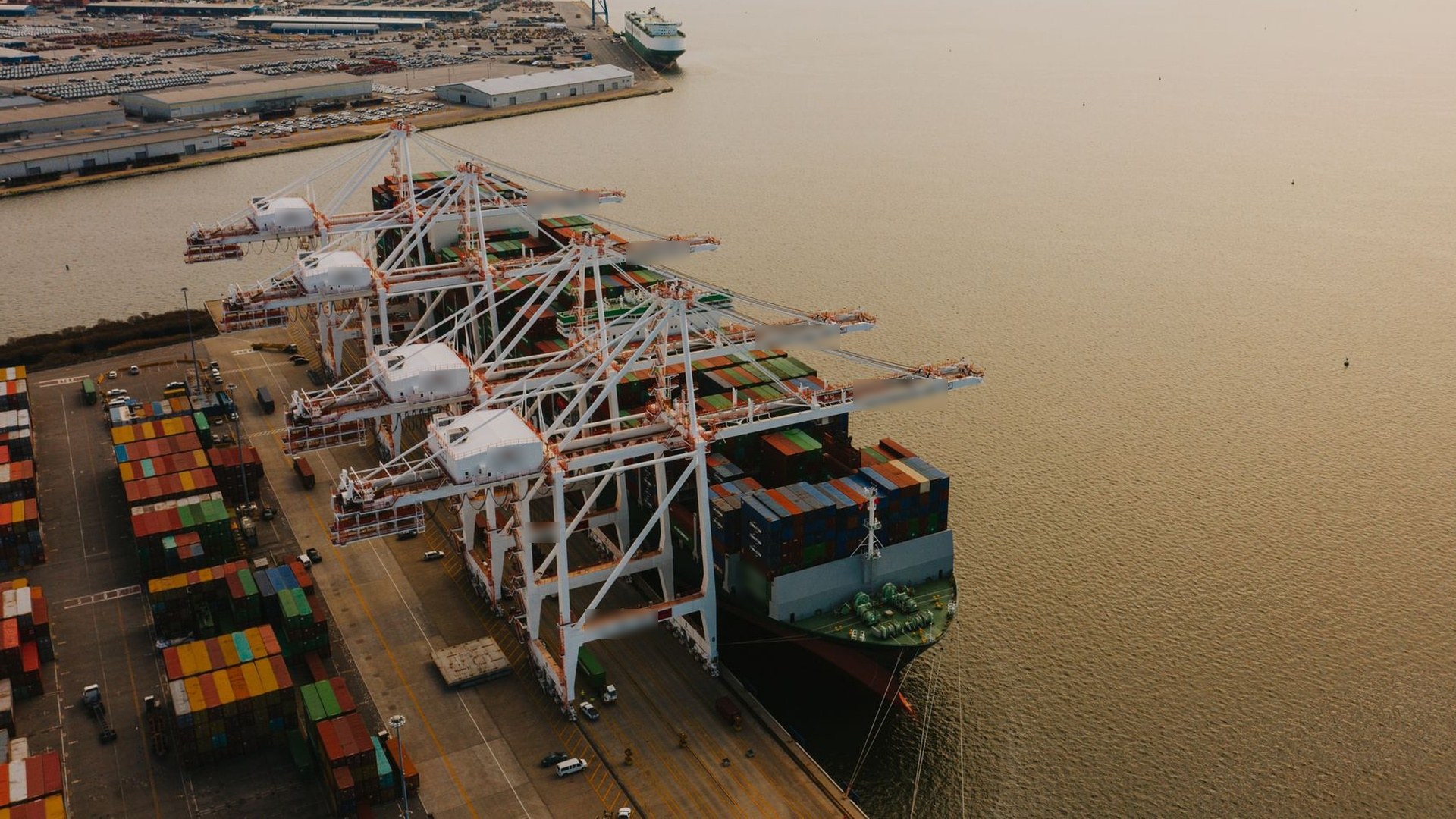
- The hubs are big and growing. Tanger Med handled 11.1 million TEU in 2025, up 8.4% on 2024, according to the port authority. Algeciras, on the Spanish side of the strait, and Tanger Med are described as the two main transshipment hubs in the Gemini network.
Transshipment explained in plain terms
On a hub-and-spoke route like this, your container does not stay on one ship. A large mainline vessel brings it from Asia to Algeciras or Tangier. There it is unloaded, stored in the terminal for a few days, and loaded onto a smaller “feeder” or regional ship (the WAF services) that goes on to West African ports. Exports go the other way.
That has clear benefits:
- More links to more ports, including smaller ones such as San-Pedro, Monrovia and Cotonou.
- A possible alternative to the long Cape routing for some Asia–West Africa cargo, once the services are running.
- New options for West African exporters to reach Europe, the Mediterranean and onward markets through a big hub.
It also has risks you should plan for:
- Missed connections. If the mainline ship is late, your box can miss its feeder and wait for the next one.
- Extra handling. Each lift adds a chance of delay or damage, so packing and lashing matter more.
- Hub and port congestion. West African ports are already busy. Kuehne+Nagel reported average vessel waits of about 5.9 days at Tema and said Pointe-Noire, one of the ports being added to WAF3, had yard occupancy near 95% and had suspended its fixed-window and first-come-first-served berthing in mid-October.
Costs: surcharges are rising at the same time
Network changes come on top of higher peak-season charges on Asia–West Africa cargo:
- Maersk: a Peak Season Surcharge of US$800 per 20ft and US$1,600 per 40ft or 45ft high-cube container from China, Hong Kong and Taiwan to all West Africa destinations, effective 26 October 2026 until further notice. It applies to non-spot bookings. Outside US-regulated trades, the charge is fixed by the scheduled departure date of the first sea leg when your booking is confirmed.
- CMA CGM: from 22 October, US$350 per TEU on short-term contract cargo from China to Central West Africa, which covers Nigeria, Côte d’Ivoire, Benin, Ghana, Togo and Equatorial Guinea.
Oil prices also matter. Brent crude reached about US$110 a barrel on 16 October, and analysts expect this to show up in November bunker (fuel) surcharge revisions.
What to do if you import from China or Asia
- Ask for the full routing, not just the port of loading and discharge. Which mainline service, which hub (Algeciras or Tangier), and which feeder service?
- Compare all-in quotes and transit times for Cape routings and Mediterranean hub routings once the new services start. Industry trackers suggest January loadings will be the first chance to compare the two side by side.
- Build buffer time. Allow extra days for the transshipment and possible missed connections, especially for stock you need for festive or Chinese New Year selling (the 2027 holiday falls on 6 February).
- Check free days and demurrage terms at your destination port.
- Confirm the surcharges that apply to your booking date and contract type in writing.
What to do if you export from West Africa
WAF5’s call list (Monrovia, Abidjan, Takoradi, San-Pedro and Lagos) covers some of the region’s main export gateways for cocoa, cashew, rubber, timber and other produce. If you ship from these ports:
- Ask your forwarder or the carrier about new hub connections from Algeciras and Tangier to your buyer’s market in Europe, the Mediterranean or beyond.
- Book early around the switch-over in late December. New rotations often bring changed cut-off dates and vessel names.
- Get your documents in order before cargo reaches the port, because a short delay at origin can cost you the feeder sailing.
- Watch insurance terms. Transshipped cargo is handled more times, so make sure your cover runs “warehouse to warehouse”.
What it means for forwarders and port workers
For forwarders, clearing agents, terminal staff and truckers at Lagos, Onne, Tema and Cotonou, the new rotations mean new vessel names, new cut-offs and possibly different call days from late December. Watch carrier advisories, since Maersk says schedules may still change.
Plan your next shipment with Septmax
Shipping lines are redrawing the map between Asia, Europe and West Africa, and the cheapest quote is not always the best route. Septmax Logistics handles door-to-door shipping from China to Nigeria, import and export freight, and customs clearance. We can help you compare routings, check surcharges and plan realistic delivery dates. Call +234-707-476-0270, email logistics@septmax.com or visit septmax.com. If you can dream it, we can handle it.