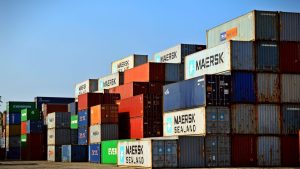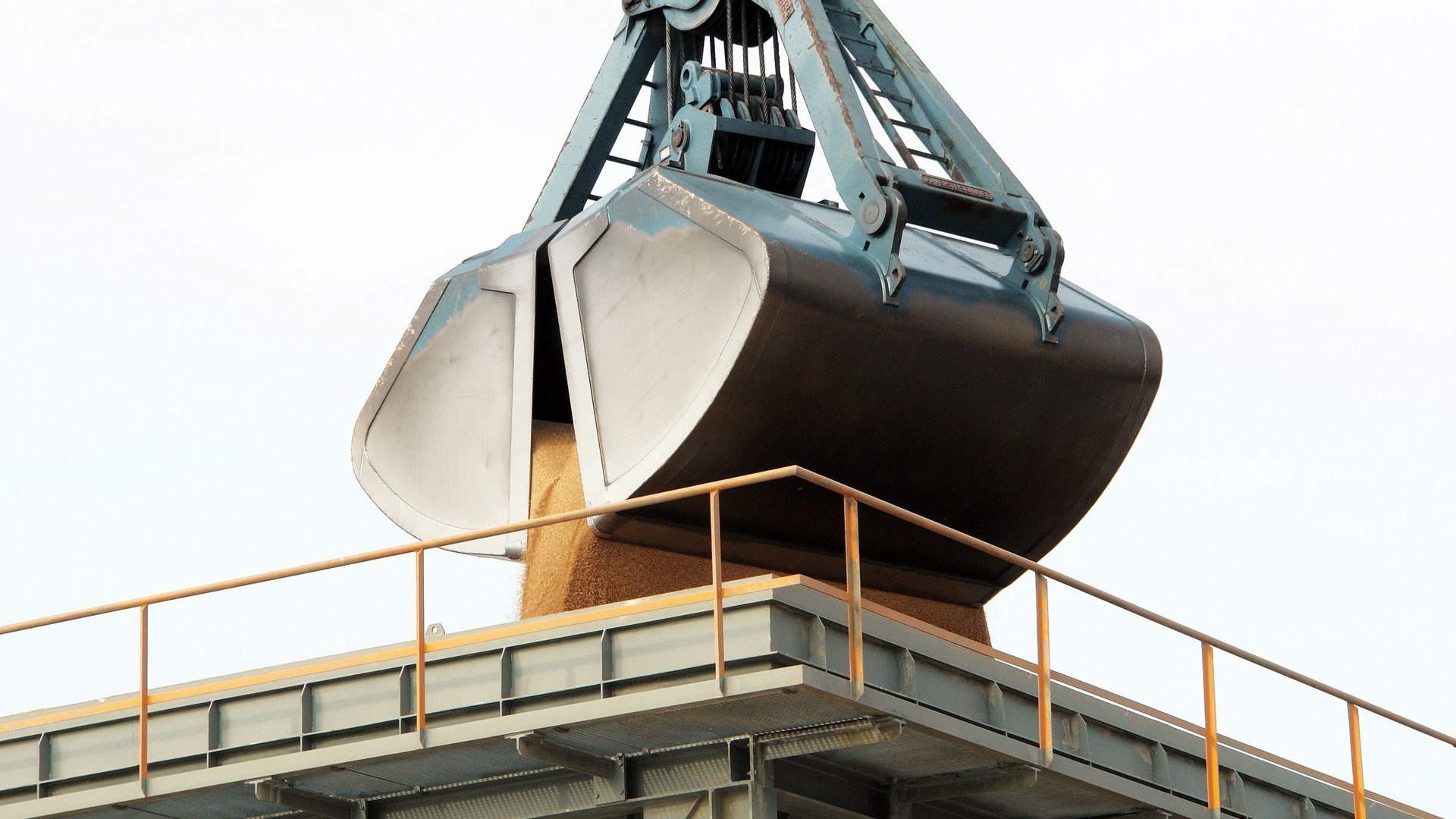
Shea nuts have been loaded onto ships at Ghana’s Port of Tema the same way for years. Trucks tip the loose nuts onto the quay, and a crane grab scoops them into the ship’s hold. It is slow, it wastes product and some of the cargo ends up in the sea.
That has just changed. On 1 November, the Ghana Ports and Harbours Authority (GPHA) and the logistics firm HoneyWorld launched a sealed-container system that moves shea nuts from the warehouse straight into the ship’s hatch without ever touching the quay.
For farmers, aggregators, warehouse teams and agro-exporters across West Africa, including Nigeria, it is a useful look at where bulk commodity handling is heading and what buyers will increasingly expect. This guide explains how the system works, what it changes, and what it means for Nigeria, which grows more shea than any other country but currently cannot export it raw.
How the new Tema system works
The equipment is called the RAM Revolver Containerised Bulk Handling (CBH) system. GPHA and HoneyWorld describe it as “shed-to-ship” or “pit-to-ship” loading. The steps, as reported by MyJoyOnline, are:
- Loading at the warehouse. Special 20-foot “Revolver” containers are delivered to the exporter’s warehouse, filled with shea nuts and sealed there.
- Trucking to the quay. The sealed containers travel by road to the quayside like any other box.
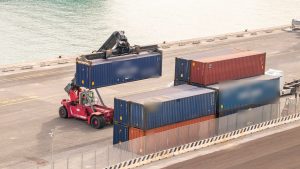
- Tipping into the hold. A RAM Revolver unit mounted on a crane grips each container, lifts it over the ship, opens the lid and rotates it 360 degrees so the nuts pour directly into the vessel’s hatch.
- Reuse. The empty container goes back to the warehouse for the next load.
HoneyWorld says the service is backed by its own warehousing and road haulage, plus reach stackers, payloaders, forklifts and a conveyor belt with weighing capability. Its own website says the same system can handle other dry bulk cargo, including cocoa beans, cashew and mineral ores.
What changes for exporters
The Director of Port at Tema, Tabon Zuma, called it a move from “the traditional form into the modern way of handling shea nuts.” In practical terms, three things stand out.
1. No dirty cargo charge. Zuma said that because the nuts go straight from the container into the vessel and are never dumped on the quay apron, the dirty cargo charge tied to traditional bulk handling does not apply. For a bulk exporter shipping thousands of tonnes, removing a port charge goes straight to the margin.
2. Less loss and cleaner product. With the old method, nuts are handled twice in the open: once onto the quay and again by the grab. Every extra touch means spillage, dust, moisture risk and foreign matter mixing in. Keeping the cargo enclosed until the moment it drops into the hold protects quality, which matters when buyers test for moisture, free fatty acids and contamination.
3. Harder to divert or pilfer. Zuma also said sealed containers make it harder for cargo to be diverted. Anyone who has watched loose bulk cargo sit on a quay knows how easily a few bags’ worth can disappear. A container sealed at the exporter’s own warehouse gives a clearer chain of custody from shed to ship.
There is also a broader point. Bulk cargo has usually meant open handling and containers have meant closed handling. Systems like this blend the two: the cost advantage of shipping in bulk with some of the control of a sealed box. Expect more ports to look at similar options for cocoa, cashew, grains and fertiliser.
Why this matters in Nigeria right now
Nigeria is the world’s biggest shea producer. Figures quoted by the Federal Government and industry bodies put annual output at 350,000 to 500,000 tonnes, close to 40% of global supply. Yet most of the value has gone abroad, because the nuts left the country raw and were turned into butter elsewhere.
That is why the government has blocked raw shea exports. President Tinubu extended the ban for another year, from 26 February 2026 to 25 February 2027. All waivers that allowed direct export of raw nuts were withdrawn, and any excess supply of raw shea nuts must now be exported only through the Nigerian Commodity Exchange (NCX) framework. The State House says shea butter fetches 10 to 20 times the price of raw nuts.
The challenge is processing capacity. Punch reports that domestic capacity is about 160,000 tonnes a year but runs at only 35% to 50% utilisation because of power, infrastructure, technology and finance problems. The NCX has set out a shea value chain framework aiming to process at least 30% of raw nut output locally, about 120,000 tonnes, which it estimates could yield around 40,000 tonnes of shea butter. The Nigerian Export Promotion Council is also working on a shared shea processing centre in Niger State for small processors.
So while Ghana is improving how it ships raw nuts, Nigeria is trying to ship far fewer raw nuts and far more butter. Both paths depend on good logistics.
Practical lessons for Nigerian farmers and agro-exporters
Whether you sell nuts to a local processor, export butter, or ship other dry commodities such as sesame, cocoa, cashew or ginger, the Tema story carries some useful lessons.
- Protect quality before the port. Most damage happens in storage and handling, not at sea. Dry, clean, well-ventilated stores and fewer open-air transfers mean better grades and fewer rejected lots.
- Know the rules for your product. Raw shea nuts cannot be exported directly from Nigeria until at least 25 February 2027, except through the NCX framework. Check the current position before you buy stock or sign a contract with a foreign buyer.
- Look at the processed route. Shea butter is usually shipped in drums, cartons or bags inside standard containers, which is a familiar, documented process. If you are moving into processing, plan packaging, labelling and export documents early. Our guide on free food safety certification support for small exporters is a good starting point.
- Seal and record at origin. Even without special equipment, sealing containers at your own warehouse, taking photos, recording seal numbers and weighing before dispatch all help prove what left your premises.
- Ask about all the charges. Port charges for bulk and break-bulk cargo can differ a lot from container cargo. Ask your forwarder for a full breakdown, including handling, storage and any special cargo charges, before you choose how to ship.
- Use inland options. Nigeria’s inland dry ports and export terminals can cut the distance raw produce travels by road in the open.
What warehouse and port workers should watch
For warehouse and port staff, systems like this shift work from the quay to the warehouse. Loading, sealing, weighing and documenting each container at the shed becomes the key step, and accurate weights and seal records become part of the export paperwork. Skills in forklift and reach stacker operation, stock control and cargo inspection become even more valuable.
The bigger picture
Nigeria’s agro-exports fell sharply in the first half of 2026, and better handling and processing are part of the answer. Ghana’s new shed-to-ship system shows that small changes in how cargo moves from warehouse to vessel can remove costs, cut losses and build buyer trust. For Nigerian shea, the bigger prize is processing at home, but the same discipline applies: clean storage, sealed movement, proper documents and no surprises at the port.
If you are planning to export shea butter, sesame, cocoa or other agro-produce from Nigeria, or need help moving cargo through Lagos, Tema or Lomé, Septmax Logistics can help you plan the route, the paperwork and the costs. Call +234-707-476-0270 or email logistics@septmax.com to talk to our team.