
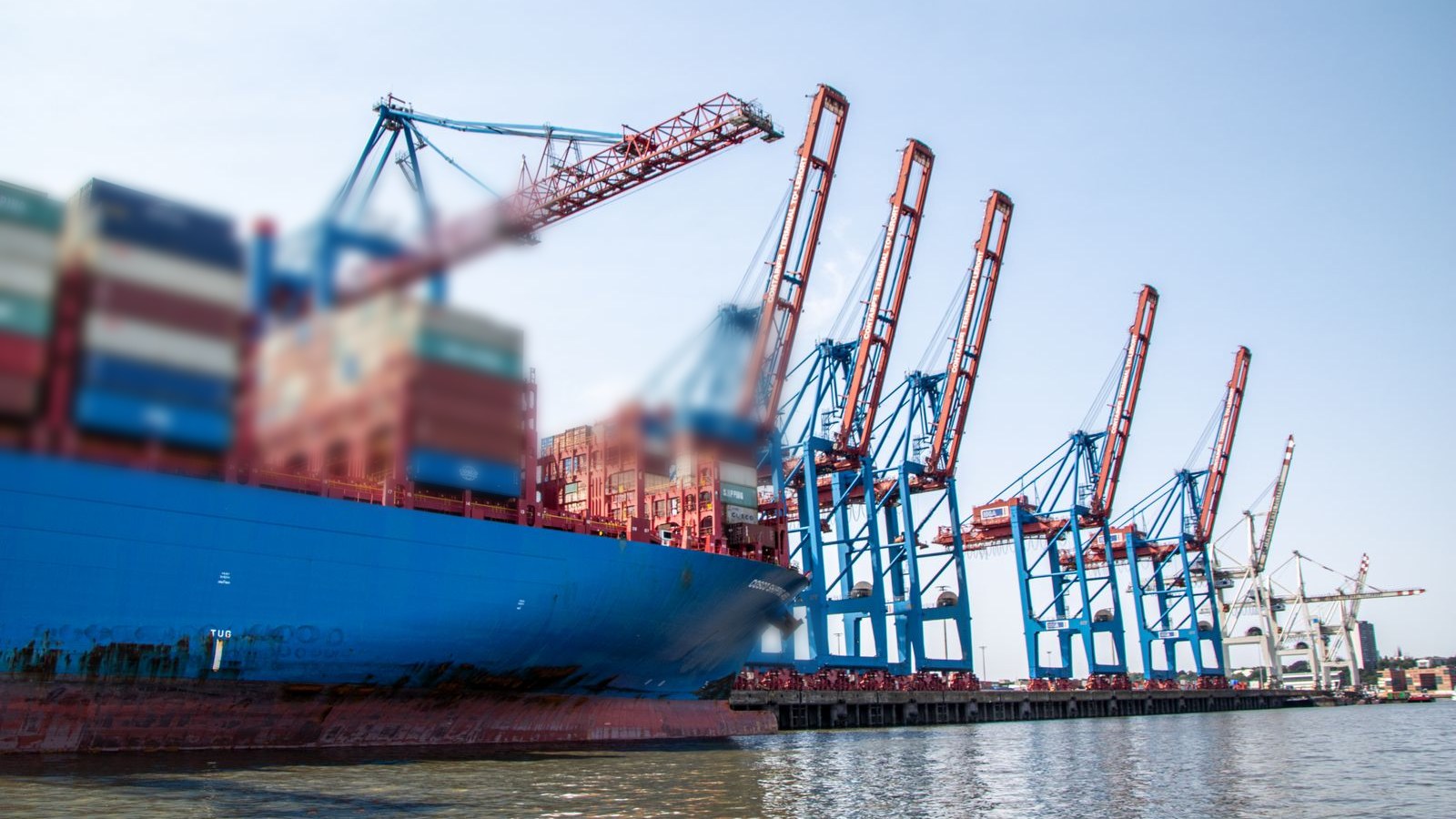
If you move cargo through Lagos, two names shape your week: Apapa (the Lagos Port Complex) and Tin Can Island. Both are old, both are busy, and both were supposed to be under reconstruction by now.
On 16 November 2026, BusinessDay reported that the two ports face falling cargo volumes and slower vessel turnaround, while the roughly ₦1.3 trillion reconstruction runs about eight months late. The Nigerian Ports Authority (NPA) says groundbreaking is close. Either way, the next few years at Lagos’s oldest ports will look different. Here’s what has been agreed, what is late, and how importers, truckers, port workers and anyone who relies on Lagos cargo can plan around it.
The deal: what is being funded
The money is in place. On 19 March 2026, during President Tinubu’s visit to the UK, UK Export Finance (UKEF) guaranteed a £746 million (about US$902 million) loan from Citi to rebuild the two ports, according to Global Trade Review. Key points from that report:
- The facility covers 96.19% of a total project cost of about US$998.9 million.
- It covers two sites: the Lagos Port Complex (Apapa Quays) and the Tin Can Island Port Complex.
- At least £236 million of supplier contracts go to British companies. That includes a £70 million order for British Steel to supply 120,000 tonnes of steel billets to the contractors Hitech Nigeria and ITB Nigeria.
- Marine and Blue Economy Minister Adegboyega Oyetola said the upgrade should cut vessel turnaround and cargo dwell times and “reduce demurrage and logistics costs for businesses”.
NPA describes the Lagos project as part of a wider US$1 billion reconstruction programme. It says the money will go to ageing quay walls, deeper channels and more automated terminal operations.
The timeline: how it slipped
The start date has moved several times:
- Q2 2026: the start the Federal Government first announced. BusinessDay noted in August that this deadline had been missed.
- By end of Q3 2026: NPA Managing Director Abubakar Dantsoho told Leadership that physical construction would begin before the end of the third quarter, with visible upgrades from Q4.
- Now: in a more recent interview reported by Tribune, Dantsoho said the Federal Government has started paying the counterpart funding needed to draw the loan. Site investigations, including borehole drilling, are finished and contractors are expected to move to site. He confirmed that physical construction has not started, but said groundbreaking is expected “within the next few weeks”.
He also gave the length of the job: 48 months of reconstruction for Apapa and Tin Can, with completion around late 2030, based on a Q3 2026 start. Because the start has slipped, it’s reasonable to expect the finish to slip by a similar amount unless the work speeds up.
What it means for importers
1. Plan for a long period of “works in progress”, not a quick fix. Rebuilding quays at working ports usually happens in stages while the rest of the port stays open. NPA hasn’t published a berth-by-berth schedule. Until it does, assume some berths or yard areas may be out of use at different times over the next four or more years, and ask your forwarder or terminal how upcoming work affects your vessel.
2. Build buffer days into your landed-cost sums. Slower vessel turnaround means more days between a ship’s arrival and your container reaching the gate. Add realistic buffer days to your shipping-line free time and terminal storage budget, and push your agent to get documents and duty payment ready before the vessel berths. Track arrivals using the NPA Daily Shipping Position.
3. Look at how your cargo leaves the port, not just which port it uses. Dantsoho told The Guardian that barges now move over 30% of containerised cargo to bonded terminals and inland depots, and that freight trains run from the Lagos Port Complex to the Kano and Kaduna dry ports. These are NPA’s own figures. If you’re inland or heavy on volume, compare the options in our truck vs rail vs barge guide.
4. Keep the good news in mind. If the rebuild delivers what’s promised (deeper, stronger quays, more automation and NPA’s target of clearance dwell time under 48 hours), importers will eventually pay less in demurrage and waiting time. The disruption is the cost of getting there.
What it means for truckers and haulage operators
Truckers already carry most of the strain on the Apapa and Tin Can roads. In early November, the Association of Maritime Truck Owners (AMATO) blamed the gridlock on poor truck scheduling, delays in returning empty containers and weak coordination between port operators, not just the number of trucks.
Construction will add pressure, so expect stricter enforcement of the access rules NPA already uses:
- Phased truck entry. NPA says it now releases trucks in batches to match terminal capacity, and a joint task force has cleared access roads every day since June 2026.
- Eto compliance. NPA says it is upgrading the Eto electronic call-up system to stop illegal human intervention and fake call-up slips. Don’t pay for “shortcut” slips.
- Movement codes for empties. From mid-November, NPA has made a holding-bay movement code compulsory for every empty container returning to the Lagos terminals, QNC News reports. Our empty container return guide explains how the holding-bay system works.
For fleet owners, the practical step is to plan fewer, better-matched trips: confirm the cargo is ready and the call-up and movement code are in hand before a truck leaves the park.
What it means for port workers and shipping staff
For dockworkers, terminal staff, shipping-line agents and the many small businesses that live off port traffic, a four-year rebuild means change in where and how work happens. Some practical points:
- Expect new safety rules, restricted zones and changed routes inside the port as contractors mobilise. Follow site induction and access instructions closely.
- Construction brings its own jobs, in civil works, steel, marine works and site logistics. Keep an eye on contractor and NPA announcements if you want to move into those roles.
- Shipping-line and agency staff should expect more berth-window changes and schedule notices. Customers will need clearer, earlier updates than usual.
What to watch next
- The actual groundbreaking date and whether NPA publishes a phasing plan showing which berths close and when.
- Any official revision of the 2030 completion target now that the start has slipped.
- Whether barge and rail volumes keep growing enough to take pressure off the roads during construction.
- How the National Single Window and the Port Community System cut paperwork time while physical capacity is tight.
How Septmax can help
Septmax Logistics helps importers, exporters and businesses move cargo through Lagos ports, including Apapa and Tin Can, and from China to Nigeria door to door. We can help you plan realistic timelines and keep your documents ready before your vessel arrives. As works begin, we’ll keep you updated on how they affect your shipments.
Have a shipment coming through Lagos, or planning one for 2027? Call +234-707-476-0270, email logistics@septmax.com, or visit septmax.com to talk to our team.

One thought on “Apapa and Tin Can’s £746m Rebuild Is Running Late: What Importers, Truckers and Port Workers Should Plan For”