
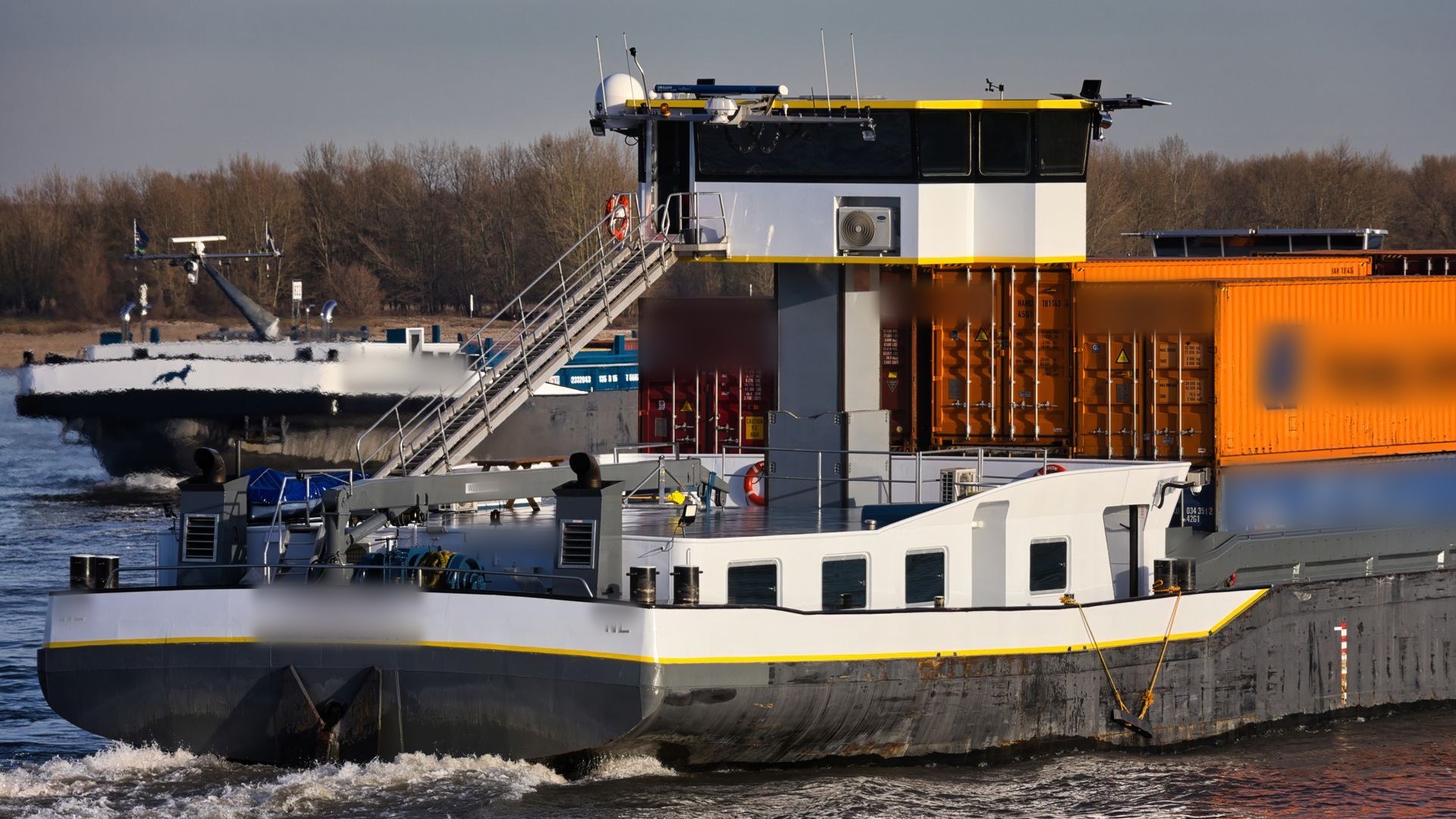
For most people bringing a container into Lagos, there is only one picture of how it leaves the port: a truck, a call-up slot and a long crawl along the Apapa or Tin Can roads. That is changing slowly. Terminal operators and the Nigerian Ports Authority (NPA) are now openly pushing rail and barges as everyday ways to move boxes in and out of the ports.
On 2 November, the chief executive of APM Terminals Nigeria told the Nigerian Economic Summit that trucks have “for a very long time been the only way” to move cargo, and that this keeps containers in terminals longer than they need to be, BusinessDay reported. A day later, BusinessDay ran a report warning that congestion around the Lagos ports threatens recent trade gains. So which option should you actually use? This guide compares the three and helps importers, exporters, truckers and anyone learning the trade make a practical choice.
Why this matters now
Every extra day a container sits in a terminal adds storage and demurrage, and every slow truck trip adds cost. APM Terminals says that using cargo scanners with Nigeria Customs helped cut import container dwell time from 18 to 14 days in one case. Getting boxes out faster after release is the next step.
The NPA said in August that it has expanded barge operations to move over 30 per cent of containerised cargo through inland waterways to bonded terminals and inland depots, and that regular freight trains now link the Lagos Port Complex with the Kano and Kaduna dry ports. It is also upgrading the Eto electronic call-up system for trucks.
Option 1: Trucks
Road haulage is still the default, and for most single-container imports going to a warehouse or shop in Lagos, it is often the simplest choice.
- Best for: door delivery within Lagos and nearby states, urgent cargo, and one-off shipments.
- Strengths: goes straight to your door, no extra handling, and almost every clearing agent and haulier knows the process.
- Weak points: call-up delays, traffic, informal charges on the corridors and diesel-driven price swings. Truckers have repeatedly complained about extortion around the ports, which we covered in our post on the Tin Can export container charges.
- Plan for: a confirmed Eto call-up slot, a reliable haulier with a valid truck and driver, and a clear delivery address and offloading crew.
Option 2: Rail
Rail moves many containers at once and keeps them off the roads. In Lagos it is mainly being used for export cargo and for long distances to the North.
- What exists today: APM Terminals Apapa told its September Exporters Forum that it runs rail arrangements through two inland locations, each with about three train calls a week depending on demand, and each train carries about 60 TEU (twenty-foot equivalent units), Daily Trust reported. One is the Nigerian Railway Corporation yard at Moniya, Ibadan, which we explained in our Apapa to Moniya rail guide. The terminal is aiming to move 60 per cent of its export containers by rail and says its own assessment shows rail is the most cost-effective option.
- Best for: exporters in the Ibadan area who can stuff containers inland, and importers or exporters linked to the Kano and Kaduna dry ports.
- Weak points: limited departures, fixed schedules and the need for a truck at the inland end. If you miss a train, you may wait days for the next.
- Plan for: booking early with the terminal or rail operator, matching your shipping line’s cut-off dates to the train schedule, and arranging the last-mile truck at the inland yard.
Option 3: Barges
Lagos is surrounded by water, and barges can carry containers from the port terminals to riverside jetties, bonded terminals and inland depots without using the port roads.
- What is changing: APM Terminals Apapa says its dedicated Finger Jetty is due to start 24-hour barge operations in the fourth quarter of 2026, handling imports, exports and empty container returns. In the past, barges had to share the main quay with ships. The company also says it is developing “quite some barging projects”.
- Best for: cargo heading to bonded terminals, depots or jetties near the waterfront, and regular, high-volume flows where a barge can move many boxes at once.
- Weak points: cost and access. In March, the Barge Operators Association of Nigeria (BOAN) said terminal handling charges for barges had jumped from about ₦50,000 to nearly ₦300,000. Its president said moving a 40-foot container from Apapa to Oshodi by road cost about ₦250,000, while the same move by barge cost ₦700,000 to ₦800,000 once terminal charges, fuel, crew and jetty labour were added. These are the association’s own figures, and prices change, so always get a current quote. Your cargo will also usually need a truck from the destination jetty to its final address.
- Plan for: a confirmed barge operator and berth window, a destination jetty or depot that can receive your box, and the truck for the last leg.
A simple way to decide
Ask these five questions before you choose:
- Where is the cargo really going? If it is going to a shop in Lagos, a truck is usually simplest. If it is going to a depot near the water or to the North, barge or rail may make sense.
- How urgent is it? Fixed train and barge schedules can save money but are less flexible than a truck.
- How many containers? Rail and barge pay off best with regular or bulk volumes, not a single box once a year.
- What is the total cost, door to door? Compare the full journey: terminal charges, the main leg, the last-mile truck and any storage while you wait.
- Who handles each handover? Every switch between ship, barge, train and truck is a point where delays or damage can happen. Make sure someone is responsible for each step.
What this means for different readers
- Importers: ask your agent whether your terminal offers barge or rail options for your area, especially if your cargo regularly waits for trucks.
- Exporters: rail and barge links that bring laden boxes into the terminal can help you meet vessel cut-offs. Check the schedules before you book the ship.
- Truckers and haulage operators: more barge and rail does not end trucking. Someone still has to run the first and last mile, and short, reliable trips from jetties and rail yards can be steady work.
- Students and new logistics staff: Lagos is a live case study in multimodal transport, where one shipment uses more than one way of moving, and in how infrastructure, pricing and regulation shape the choice.
How Septmax can help
Septmax Logistics handles customs clearance, haulage and delivery for importers, exporters and individuals at Apapa, Tin Can, Lekki and other Nigerian ports. We can compare road, rail and barge options for your shipment and plan each handover so your container keeps moving. Call us on +234-707-476-0270 or email logistics@septmax.com.



One thought on “Truck, Train or Barge? How to Choose the Best Way to Move Your Container Out of the Lagos Ports”