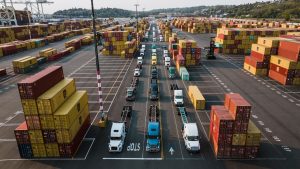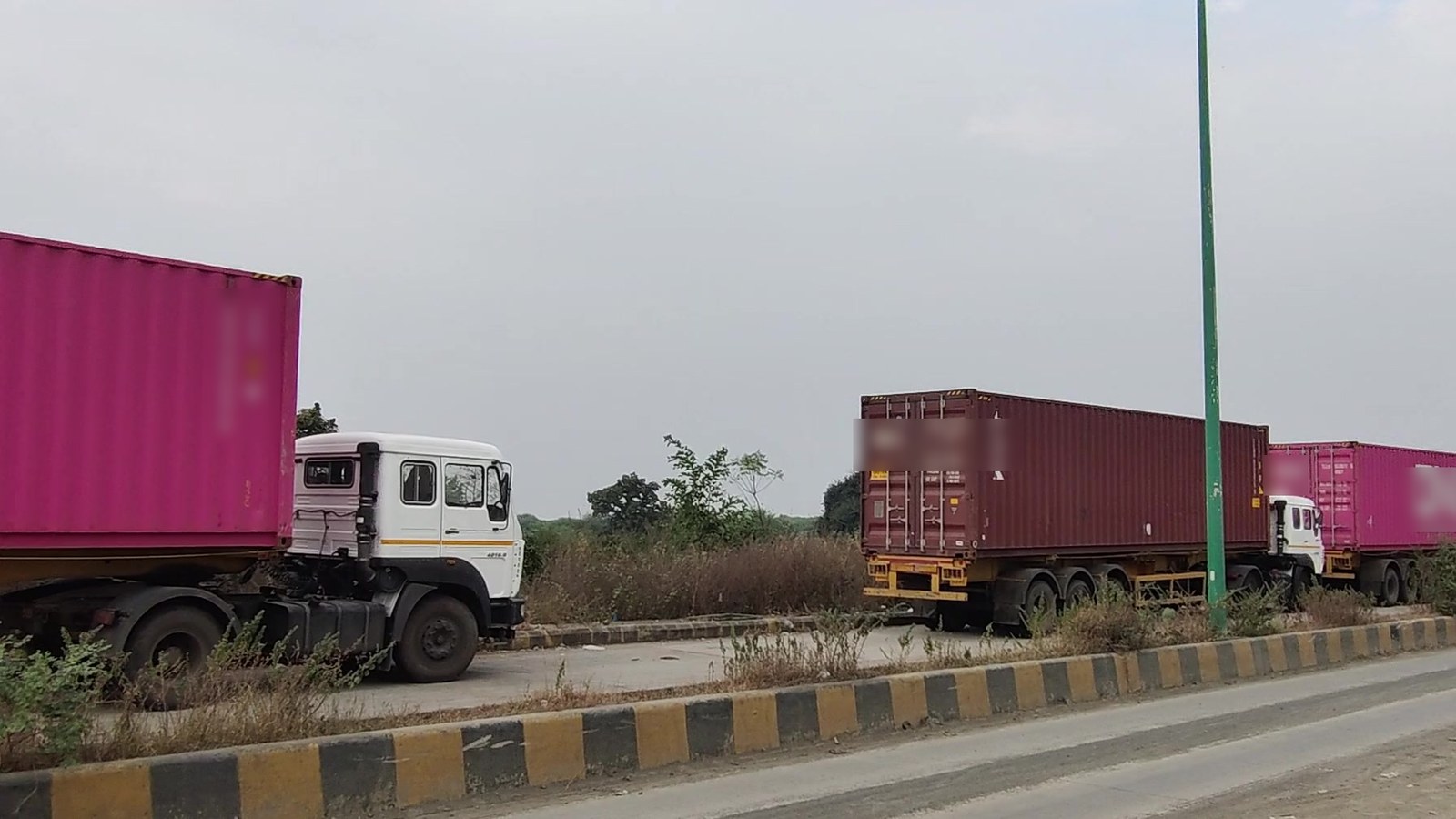
Nigeria’s cocoa maincrop season has started, and the Cocoa Processors Association of Nigeria (COPAN) says that, from now through April, huge volumes will be heading for the Lagos ports. The trouble, according to the association, is that many of those export containers are sitting on trucks outside the port gates for days, waiting for one approval.
At a press conference in Lagos in early November, COPAN chairman Felix Oladunjoye said a Nigerian Ports Authority (NPA) approval step for export containers has turned a quick process into a wait of several days, and that exporters have lost between ₦10 billion and ₦12 billion in extra costs. The NPA had not publicly responded when this post was written.
This post explains what exporters are complaining about, why a delay at the gate becomes so expensive, and what exporters, agro-processors and truck owners can do now to protect their shipments while the issue is being resolved.
What exporters say has changed
According to reports in BusinessDay and The Guardian, the complaint centres on the step that lets a loaded export truck offload its container at the terminal:
- Before: Exporters could upload their information, pay on the electronic platform and get an export load into the terminal within about 24 hours, COPAN says. The association told The Guardian that NPA approval to offload was “ordinarily obtained within approximately two hours” once documents and payments were complete.
- Now: COPAN says the NPA became the final approver around February 2026. After the exporter uploads and pays, the terminal must wait for NPA approval before issuing a gate pass. In some cases, trucks with fully documented export containers have reportedly waited at least four working days, and BusinessDay quotes a wait of five to six days.
- The queue: Oladunjoye said an average of 500 export-loaded trucks are parked daily around Tin Can and Apapa, but only about 15 get tickets to gate in each day. He said about 90% of export terminals are around Tin Can Island.
These figures are COPAN’s claims, and the association has also alleged demands for unofficial payments to “fast-track” approvals. It has written to the Minister of Marine and Blue Economy, Adegboyega Oyetola, and other ministers, asking for an investigation, a clear service-level timeline for approvals, a review of the manifest and Eto call-up procedures, and a meeting of the NPA, Lagos port management, export processing terminals (EPTs), exporters and shipping agents.
Why a few days at the gate costs so much
A container that misses its vessel does not just leave a week later at the same price. COPAN listed the knock-on costs, and they will sound familiar to anyone who has shipped through Lagos:
- Truck waiting costs. Drivers pay for parking around the port corridor and burn extra diesel moving between car parks. Truck owners then pass detention charges to the cargo owner.
- Shipping line charges. Boxes that miss their sailing can attract demurrage and renomination (rebooking) charges.
- Contract risk. Cocoa and other commodities are sold for shipment within a set period. Miss it and the buyer can impose penalties or cancel.
- Financing costs. Longer trade cycles mean exporters pay interest for longer before they are paid.
For truck owners, every day in the queue is a day the truck is not earning on another job. For farmers and aggregators upstream, slower exports can mean slower payment for produce.
A practical plan for exporters while the queue lasts
You cannot fix a port approval process alone, but you can reduce how much it costs you.
1. Plan backwards from the vessel cut-off, with a buffer
Ask your shipping line or forwarder for the exact container yard cut-off for your sailing, then work backwards. If the approval step is currently taking days, a plan that sends the truck to the port the day before cut-off is risky. Build the current delay into your stuffing and trucking dates, and update it weekly as the situation changes.
2. Make sure the paperwork is complete before the truck moves
A truck that joins the queue with a missing document waits twice. Before dispatch, check that the export documents your cargo needs are complete and consistent. These typically include Form NXP, the commercial invoice and packing list, inspection and quality reports, and phytosanitary certificates for agro produce. Also confirm the Eto call-up booking and any terminal pre-gate instructions. Since February, trucks booked on Eto for Tin Can terminals have been directed to specific pre-gates depending on the terminal, so confirm the right one before the driver sets off.
3. Agree waiting costs with your truck owner in writing
Settle in advance how many free waiting days are included, the daily rate after that, and who pays for designated parking. This avoids disputes and helps you compare the true cost of each trip.
4. Talk to your shipping line about rollover and late-gate rules
Ask what happens if your box misses the vessel: will it roll to the next sailing automatically, and what charges apply? Some lines can advise on later cut-offs or alternative sailings. Get the answers in writing.
5. Protect your sales contract
Tell your buyer early if a shipment period is at risk; most buyers would rather hear it now than after the vessel sails. For new contracts, discuss shipment windows that allow for port delays and check what your contract says about delays outside your control.
6. Keep a timestamped record and pay only through official channels
Record when you uploaded documents, when you paid, when approval was requested and when it was granted, and keep every receipt. This record helps your association press its case, supports claims with your trucker or shipping line, and protects you if you are asked for an unofficial payment.
7. Look at alternatives to road-only moves
APM Terminals told the Nigerian Economic Summit in early November that it runs a logistics centre in the Ibadan area where export cargo is consolidated, stuffed and railed into its Apapa terminal. Rail or barge will not suit every shipment, but it is worth asking your forwarder whether it fits yours. Our guide to moving containers by truck, rail or barge compares the options.
The bigger picture: Single Window Phase 2
There is a longer-term fix on the way. The National Single Window (NSW), Nigeria’s one-stop online trade platform, says it has processed 169,211 licences, permits and other documents since it went live in March 2026, and has registered 12,465 importers and agents. Its Phase 2, planned for delivery between the fourth quarter of 2026 and the first quarter of 2027, is meant to bring export licences, certificates and permits, Forms NXP and NCX, and export manifests onto the platform. User acceptance testing has started, and the NSW expects to onboard the NPA and the Nigerian Maritime Administration and Safety Agency (NIMASA) as part of its next milestone.
If that happens as planned, export approvals should become easier to track. Until then, exporters should register on the NSW portal, keep company and product details consistent across agencies, and read our Single Window export checklist. For more on the cost of getting an export box into Tin Can, see our post on informal charges at Tin Can.
How Septmax can help
At Septmax Logistics, we help exporters plan shipments around real port conditions: checking cut-offs, preparing export documents, coordinating trucking, and keeping cargo owners updated when something changes. If you have cocoa, sesame, shea or other produce to ship this season, call +234-707-476-0270 or email logistics@septmax.com to plan your next export early.