On Thursday, 5 November 2026, Kenya’s biggest truckers’ body told its members to stop loading a whole class of cargo at the Port of Mombasa. The reason was not fuel, tolls or police checkpoints. It was a small electronic device clipped to a container: the customs e-seal.
The dispute is about who pays for that seal. It is a useful case for truckers, clearing agents and importers in Nigeria too, because Nigeria Customs is rolling out its own Electronic Cargo Tracking System (ECTS) for transit containers leaving Lagos ports. This post explains what happened in Kenya, how electronic cargo tracking works, and what cargo owners and haulage operators should ask before their next transit move.
What happened in Mombasa
According to Kenya’s Daily Nation, the Kenya Transporters Association (KTA), which says it speaks for more than 5,000 transporters, issued an advisory on 4 November directing members to suspend loading cargo that needs the new user-owned electronic seals. The background:
- The Kenya Revenue Authority (KRA) runs the Regional Electronic Cargo Tracking System (RECTS), which monitors goods moving under customs control, including transit cargo to Uganda, Rwanda, Burundi, South Sudan and the DRC.
- KRA previously supplied government-owned seals through a single provider. Under a new Multi-Vendor User-Owned Electronic Seals Framework, fully operational from 26 October 2026, it approved 15 private companies to supply tracking devices, including fuel-tracking devices for tankers.
- Transporters say the private providers charge $350 to $450 per seal (about Sh45,483 to Sh58,478), depending on the vendor.
- KTA chairman Newton Wang’oo called the charges “unfair, commercially unsustainable” and legally questionable. The association wants KRA to let transporters recover the cost through offsets against taxes payable, told members not to buy or lease seals until that is agreed, and said it was seeking legal advice.
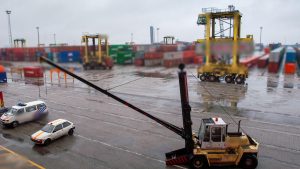
The timing matters. KPA expects 44 vessels at Mombasa in the two weeks to 15 November, and the Nation reports that at least 3,500 trucks collect containers from the port every day. Even a short pause in loading can back up containers at the port, container freight stations and inland depots. We covered the port’s existing pressure in Mombasa Port Is Under Festive-Season Pressure.
How an electronic cargo seal works
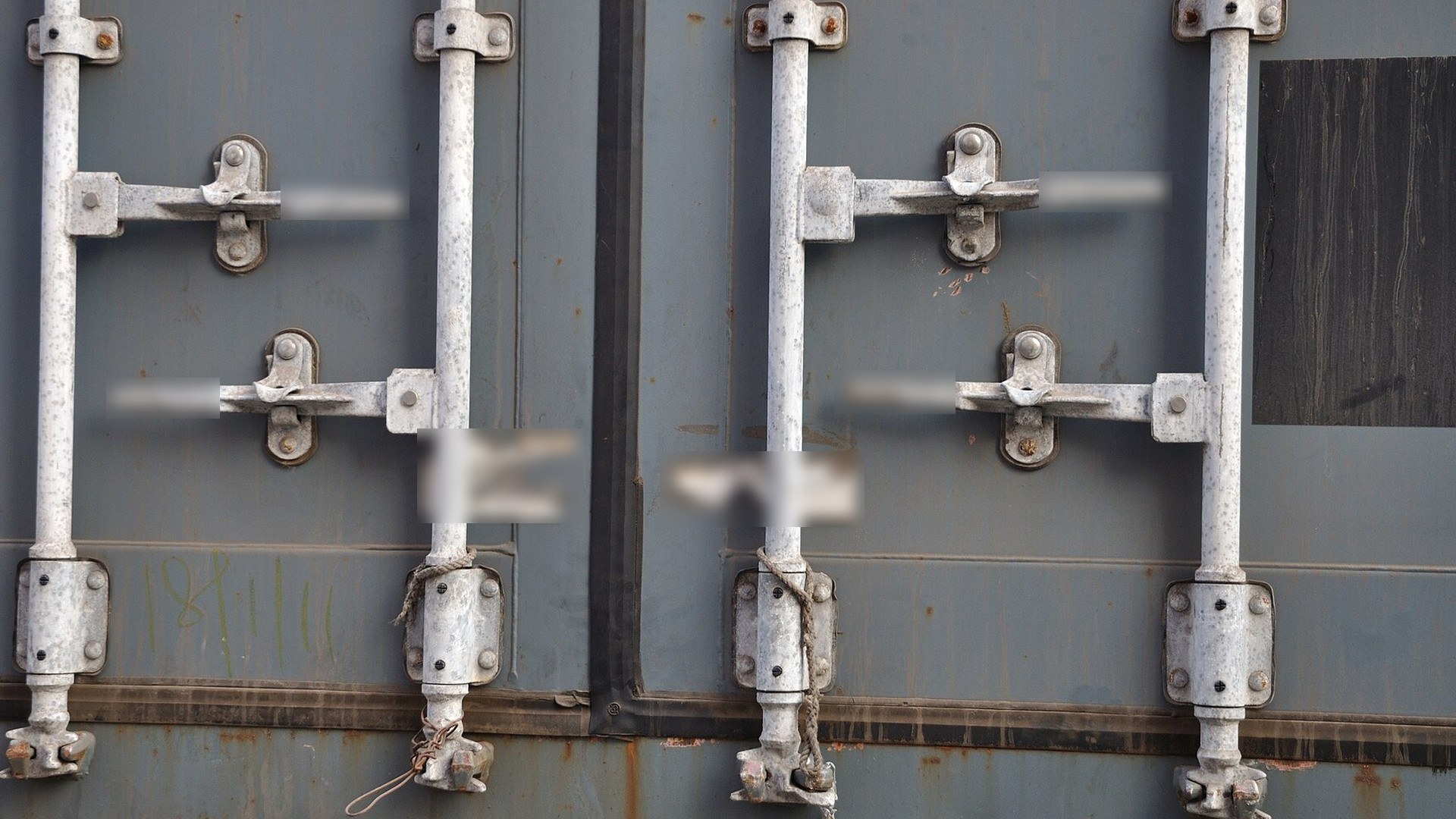
A traditional container seal is a numbered bolt or cable through the door lock rods. It proves the doors have not been opened, but only when someone checks it at the end of the journey.
An electronic seal adds tracking and alerts. In both Kenya’s RECTS and Nigeria’s ECTS, the reported features are similar:
- GPS tracking in real time from the port to the destination depot, bonded warehouse or border.
- Alerts if the truck deviates from its approved route, makes an unauthorised stop, or someone tampers with the seal.
- Controlled unlocking at the destination only, after customs authorises release.
For customs, the point is revenue protection: transit cargo that “disappears” into the local market without paying duty is a long-running problem on African corridors. For cargo owners, the promise is fewer physical escorts, fewer stops and more predictable transit times.
Nigeria’s version: ECTS from Apapa and PTML
Nigeria Customs Service (NCS) began piloting its ECTS at the Apapa Area Command, with the first live test on a container bound for Kano/Jigawa on 5 November 2025, according to Punch. Apapa officials said the system uses electronic seals and handheld devices, and that a container can only be unlocked in one of three ways: remotely from the central control system, with an authorised handheld device, or with a physical unlocking card at the destination.
The PTML Area Command was later named the second pilot location. Its acting controller, Deputy Comptroller Nura Miko, told stakeholders the system would gradually replace physical escorts of transit cargo to bonded terminals, other customs commands and free trade zones (Daily Trust).
Results so far are encouraging on speed. PRNigeria reports that the Kano/Jigawa Command received its first electronically tracked container from PTML on 14 August 2026, four days after it left Lagos on 10 August, and that the command had received 194 containers fitted with the technology since deployment began in the third quarter of 2025. NCS spokesman Abdullahi Maiwada has also said the e-seals are meant to stop containers heading from Apapa to Kano or Kaduna from being diverted.
The published Nigerian reports we reviewed do not state a fee per seal or who pays for it. If your agent or a terminal quotes you a tracking charge, ask for it in writing and ask which authority set it.
What Kenya’s dispute teaches transit shippers everywhere
1. Technology changes the cost line, not just the process. When customs moves from government-supplied seals to private vendors, a cost that used to be invisible can suddenly appear on a trucker’s or agent’s invoice. Someone eventually passes it to the cargo owner.
2. Agree in advance who carries the seal cost. For transit and bonded moves, your haulage quote should say clearly whether e-seal or tracking fees are included, extra, or billed by the clearing agent.
3. A boycott hits the cargo owner first. If trucks will not load, your container sits in the terminal, and storage and demurrage keep running. Build a buffer into delivery promises on any corridor where a cost dispute is live.
4. Route discipline becomes non-negotiable. With GPS alerts on unauthorised stops and deviations, the old habit of detours, overnight parking in unapproved spots or “quick stops” can trigger an alarm and hold the cargo. Drivers need the approved route and stop points before departure.
Practical checklist for truckers, agents and importers
- Ask before you book: does this transit or bonded move need an electronic seal, and who supplies it?
- Get the fee in writing: amount, who charges it, and whether it is refundable or one-way.
- Brief the driver: approved route, permitted stops, what to do if the device alerts or loses signal.
- Record seal numbers on your delivery documents and photograph the seal at loading and arrival.
- Plan destination release: know which officer or command will authorise unlocking, so the truck is not left waiting at the depot gate.
- Watch the news on your corridor: in Kenya, follow KRA and KTA updates before booking Mombasa transit loads this month.
- Challenge charges you can’t trace: in Nigeria, the freight forwarding regulator has already warned against unauthorised levies, as we explained in CRFFN Bans Unauthorised Cargo Levies.
What to watch next
In Kenya, the question is whether KRA agrees a cost-recovery or tax-offset mechanism quickly enough to stop a backlog during a busy two weeks of vessel calls. In Nigeria, watch for ECTS moving beyond Apapa and PTML to other commands, and for any official guidance on charges. If you move cargo inland from Lagos to the north, our guide to clearing cargo at an Abuja bonded warehouse shows where tracked transit containers end up.
How Septmax can help
Septmax Logistics helps importers, exporters and haulage partners plan port-to-inland moves, check transit documentation and budget for every charge before a container leaves the terminal. Moving cargo from Lagos to the north, or shipping into East Africa? Call +234-707-476-0270 or email logistics@septmax.com and we will help you plan the move.