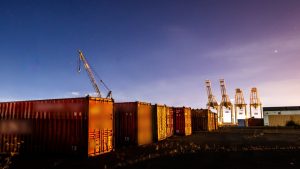
If you sell in Abuja, Kaduna, Jos or anywhere in the North, your imported container probably still gets examined and released in Lagos or Port Harcourt, and then spends days on the road before it reaches you. Every problem with the paperwork can mean another trip south, or paying an agent to chase it for you.
A new option has opened in the Federal Capital Territory. TRÏNŪ Bonded Warehouse, a subsidiary of Sirlyon Limited, has commissioned a customs-controlled bonded warehouse in Kuje, Abuja, with space for about 700 containers, as reported by The Guardian, Daily Trust and ThisDay. This guide explains how clearing cargo inland under bond works, who it suits, and what to check before you choose that route for any facility.
What a bonded warehouse actually is
A bonded warehouse is a facility licensed by the Nigeria Customs Service where imported goods can be kept before duty is paid and before they are released. The goods stay under Customs control the whole time. They cannot be taken out, sold or used until Customs has examined them (where required), the duty is paid and a release is issued.
To get a container from the seaport to an inland bonded facility, it travels under a Customs transfer document called a transire, on a bonded truck, with seals that must still be intact when it arrives. If you have heard of off-dock terminals in Lagos, the idea is similar. The difference here is distance: the cargo is cleared near where it will be sold, not near where the ship docked.
What the Kuje facility says it offers
According to the reports above and the operator’s own website, the Kuje warehouse provides:
- Container and general cargo storage under bond
- Customs documentation and clearance support
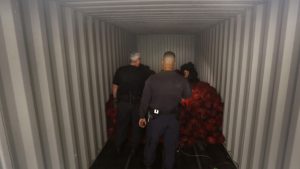
- On-site offices for Customs and other regulatory agencies, so examination can happen where the cargo is stored
- Weighbridge services
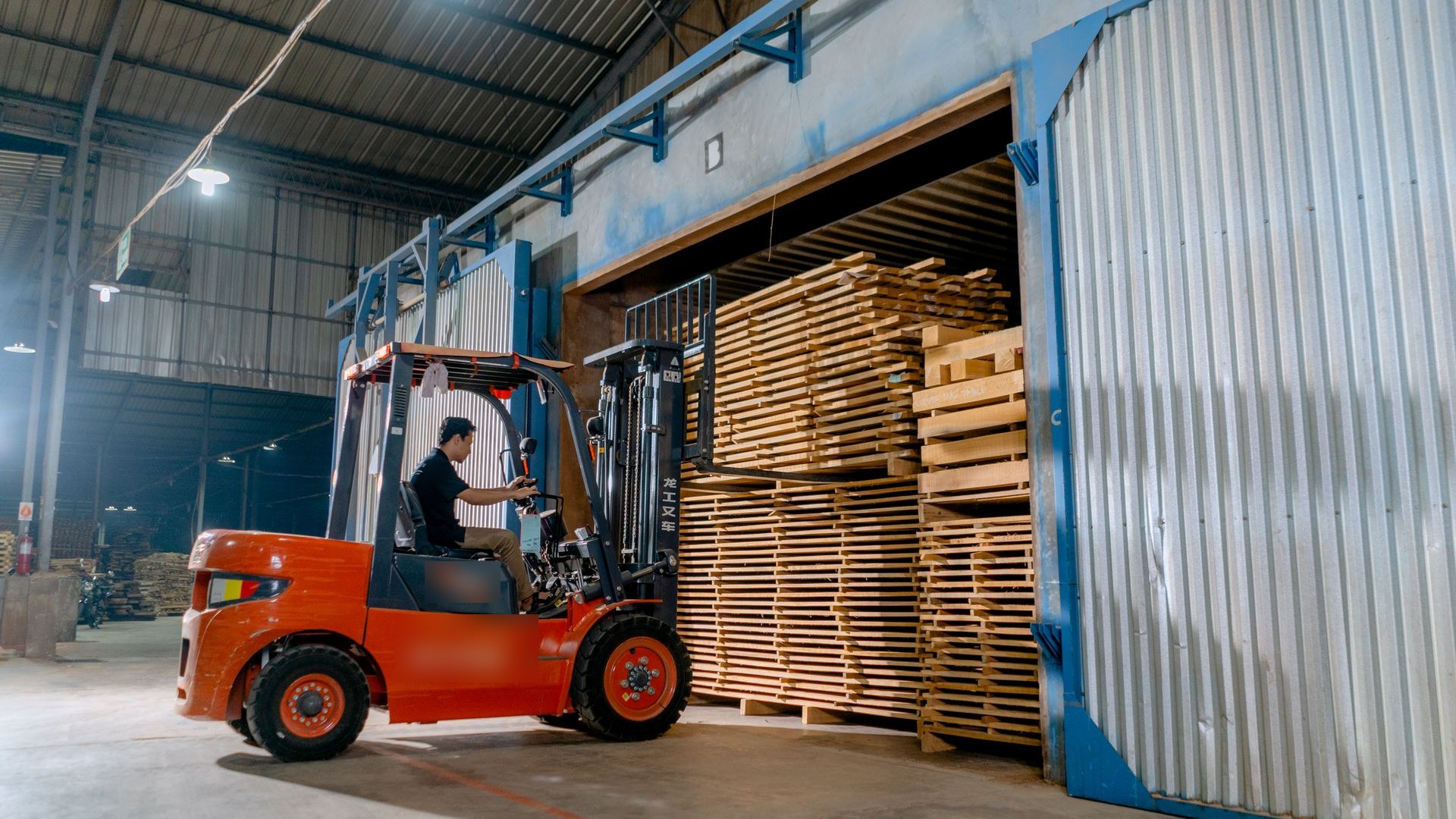
- Cargo handling, consolidation, stuffing and destuffing
- Online tracking of each consignment from arrival to gate-out
Daily Trust notes that it adds a privately run option alongside the inland container depots and dry ports that already serve cities such as Kano and Kaduna. We have not used the facility ourselves yet, so treat this as a description of what has been announced, not a review.
Who this route can help
- Importers and traders based in Abuja and the North. You or your staff can attend examination locally instead of travelling to Lagos or Port Harcourt.
- Small businesses that sell in batches. Some bonded facilities let you clear part of a consignment at a time. Ask whether that is allowed for your goods before you rely on it.
- Clearing agents with northern clients. Documentation and examination can be handled close to the client.
- Warehouse and logistics workers. New inland facilities need tally clerks, forklift operators, yard planners and documentation staff, which is a growing source of jobs outside the port cities.
It will not suit everyone. If your buyers are in Lagos, or your goods are urgent and the port release is quick, moving the box inland under bond can add a step rather than remove one.
The trade-offs to weigh
Transport under bond is not the same as normal haulage. The truck must be licensed for bonded movement, the seals must match the documents, and the transfer has to be approved before the box leaves the port. Delays at that stage can mean extra days of port storage and shipping line demurrage.
The shipping line’s clock is still running. Moving a container inland does not stop demurrage on the box itself. Check how many free days you have and whether you need to return the empty container to Lagos or Port Harcourt, and budget for that return trip.
Facilities can be frozen. On 22 September 2026, Customs suspended transires to 103 bonded terminals, warehouses and free trade zones over unreconciled records, as we explained in our guide on the transire suspension. A new facility with clean records is a good sign, but you should still check status before every shipment.
Charges differ from port charges. You will pay the bonded facility for storage and handling, plus haulage under bond. Ask for a written tariff and compare the total with clearing at the port and trucking the goods afterwards.
Seven checks before you send cargo to any inland bonded warehouse
- Confirm the licence. Ask for the facility’s current Customs licence and make sure it covers your type of cargo.
- Check it is not under any suspension for transire processing at the time you ship.
- Get the full cost in writing: haulage under bond, receiving, storage per day, examination support, release and delivery.
- Ask about free storage days and how storage is charged after that.
- Agree the empty return plan with your shipping line and haulier before the box leaves the port.
- Make sure your documents are ready early. Your Form M, PAAR, bill of lading and any permits must be in order, as set out in our Form M and PAAR guide. If your product needs SONCAP or NAFDAC approval, check our regulated products guide.
- Insist on seal checks and photos when the container arrives, and keep the tally record. If anything is short or damaged, that record is your evidence.
What this tells us about where clearance is heading
Moving clearance closer to inland markets fits the wider changes happening this year. Customs is processing more work through its B’Odogwu platform and the National Single Window, and the Nigerian Ports Authority is pushing inland dry ports and export terminals. When documents move online, the physical cargo no longer has to be cleared next to the ship. Facilities like the one in Kuje are betting on that.
How Septmax can help
Septmax handles freight forwarding, customs clearance and delivery for importers, small businesses and individuals across Nigeria, including cargo bound for Abuja and the North. We can compare the cost of clearing at the port against moving your cargo inland under bond, check your documents before the ship arrives, arrange haulage and deliver to your door.
Call +234-707-476-0270 or email logistics@septmax.com to plan your next northern shipment.
Sources
- The Guardian, “Abuja gets new customs-licensed bonded warehouse”
- Daily Trust, “New bonded warehouse opens in Kuje”
- ThisDay, “TRÏNŪ Opens Abuja Bonded Warehouse, Boosts Northern Trade Links”, 17 October 2026
- The Authority, “Customs-controlled bonded warehouse opens in Kuje”, 8 October 2026
- TRÏNŪ Bonded Warehouse website