
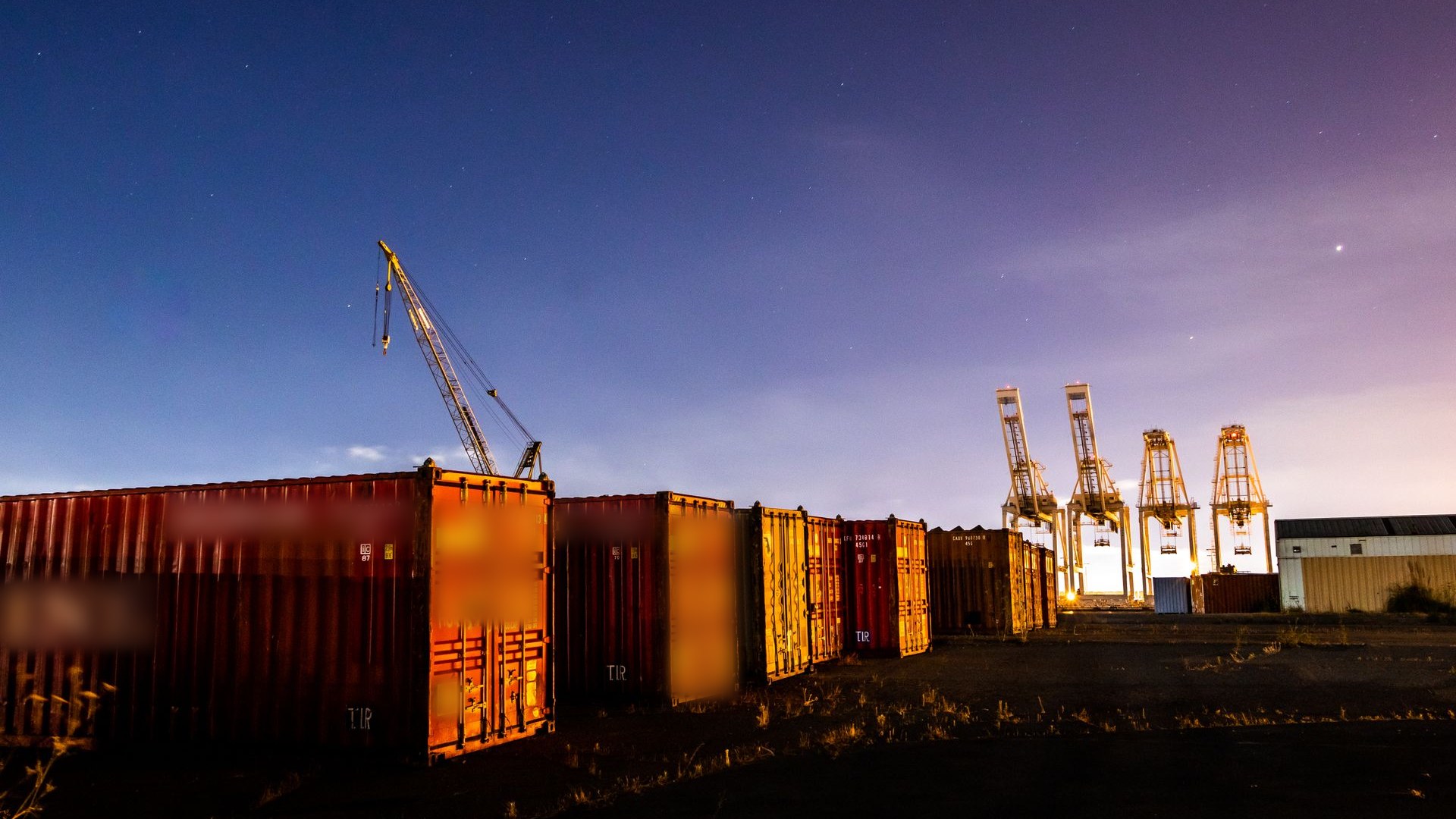
At the Federal Executive Council briefing on 28 October 2026, Power Minister Joseph Olasunkanmi Tegbe said President Bola Tinubu had ordered the clearance of more than 300 containers of electricity equipment that have been sitting at Nigerian ports, some of them for 14 to 20 years. In his words, reported by Arise News, “Some of them have been in the ports for honestly for over 20 years.”
The reasons given were unpaid charges and customs procedures that were never completed. The Ministry of Power will now work with the Nigerian Ports Authority (NPA) and the Nigeria Customs Service (NCS) to settle what is owed, release the boxes and have experts check whether the equipment inside still works. According to The Sun and Pulse Nigeria, the minister did not disclose the value of the equipment, the size of the outstanding bills or a deadline.
If the federal government can lose track of its own cargo for two decades, a small importer, an online seller or someone shipping personal effects home can certainly get caught out for a few weeks. Here is how cargo becomes “overtime” in Nigeria, what happens next, and how to make sure yours never gets there.
What “overtime cargo” means
Overtime cargo is cargo that has stayed at the port, airport or terminal past the time Customs allows for it to be cleared. In Nigeria the clock starts when the ship, aircraft or vehicle finishes discharging, not when you get your documents or when your agent starts work.
Under Section 60 of the Nigeria Customs Service Act 2023, the key rules are:
- On the 30th day after discharge, Customs gives the terminal or carrier a list of goods that have not been released.
- Those goods must then be moved to a Government warehouse, or treated as being in one while they stay on the terminal.
- If goods moved to a Government warehouse are still not cleared, Customs may sell them within 14 days of the move, or straight away if they are perishable. The Service can allow longer in a particular case.
You can read the provision yourself in the Nigeria Customs Service Act 2023.
The 30, 60 and 90-day windows
In January 2025, Customs announced guidelines on how long cargo can stay at port terminals, as reported by Punch. In plain terms:
- Days 1 to 30: your consignment can be cleared without any overtime complications.
- Days 31 to 60: the cargo is “overtime”, but you can still clear it if you apply and the Customs Area Controller approves.
- Days 61 to 90: clearance needs approval from an Assistant Comptroller-General or Zonal Coordinator, again on application.
- After 90 days: the consignment is due for the start of the disposal process, which usually ends in a public sale through the Customs eAuction platform.
Each step after day 30 means more paperwork, more waiting and more chances for something to go wrong, while storage and demurrage keep running the whole time.
Why cargo gets stuck in the first place
The 300 power containers are an extreme case, but the causes are familiar to anyone who works at the ports:
- Charges nobody wants to pay. Once terminal storage and shipping line demurrage pass the value of the goods, owners sometimes walk away. That is exactly why bills that go unpaid for months become impossible to settle.
- Incomplete documents. A missing Form M, a PAAR that does not match the invoice, or a permit that was never obtained can freeze a declaration.
- Classification or valuation disputes. If Customs disagrees with your HS code or declared value and nobody follows up, the file sits.
- The wrong consignee details. Cargo consigned to a company that has closed, or to a name that does not match the importer’s records, is hard to release.
- No one in charge. Government projects, estates and family shipments often have no single person responsible for clearance, so nobody notices the deadline.
What it costs you while the clock runs
Even if your cargo is eventually released, every extra day adds up. Terminal storage, shipping line demurrage and, for containers taken to an off-dock or Government warehouse, transfer and handling charges all apply. The Act also sets penalties for terminals and carriers that fail to move overtime goods as directed, and those costs tend to find their way back to the cargo owner.
On top of the money, goods age. Food expires, electronics become outdated and machinery corrodes in the heat and salt air. The power ministry has already said some of its equipment may now be obsolete.
How to keep your cargo out of overtime
- Start your documents before the ship sails. Your Form M, proforma invoice, PAAR and any NAFDAC or SON permits should be ready before arrival, not after. Our guide to the Form M and PAAR document chain explains the order.
- Write down the discharge date. Ask your agent or shipping line for the exact date discharge was completed, then put day 25, day 30 and day 60 in your calendar.
- Budget for duty in advance. Delays in paying duty are one of the most common reasons cargo misses the free period. Have the money ready when the assessment comes out.
- Get your classification right early. If you are unsure of your HS code, sort it out before shipping, or ask Customs for an advance ruling. See why every importer should know their HS codes.
- Name one person responsible. Whether you are a company, a church importing equipment or a family shipping household goods, one person should own the clearance and check progress every week.
- Ask for written updates. A good clearing agent will tell you in writing where the file is, what is outstanding and what the next deadline is.
- If you are already past day 30, act now. Apply to the Customs Area Controller straight away. The longer you wait, the higher the approval level you need and the closer you get to auction.
- Settle disputes quickly. If you disagree with a valuation or a charge, raise it formally and keep following up. A dispute is not a reason to let the clock run out.
For more on cutting port costs and protecting cargo during clearance, read our posts on demurrage and storage charges what to expect during a customs inspection and the 28 containers that went missing at Tema.
A note for people buying at Customs auctions
Overtime cargo that is not reclaimed can end up on the Customs eAuction platform. Customs says on that site that it will never ask for your username, password or any gratification to help you take part. Anyone offering you a “guaranteed” auction container for a fee outside the official platform should be treated as a likely scam.
How Septmax can help
Septmax clears cargo at Apapa, Tin Can, Onne and the Lagos airport, and we track every file against the discharge date so our clients’ goods are released well inside the free period. If your consignment is close to day 30 or already overtime, contact us and we will tell you honestly what can still be done.
Call us on +234-707-476-0270 or email logistics@septmax.com.
This post is based on the Nigeria Customs Service Act 2023, Customs guidelines reported in January 2025 and media reports of the Federal Executive Council briefing of 28 October 2026. Rules and procedures can change, so always confirm current requirements with Customs or your licensed agent.


One thought on “300 Containers Stuck for 20 Years: How Cargo Becomes “Overtime” in Nigeria and How to Keep Yours Out of Auction”