On Tuesday, 3 November 2026, the Edo/Delta Area Command of the Nigeria Customs Service launched a new rulebook for how cargo is physically examined in its area. It is called the Standard Operating Procedure (SOP) for Coordinated Cargo Examination and Trade Facilitation, and it was unveiled at the command’s headquarters in Warri, Delta State, by the Acting Customs Area Controller, Mr Dominic Ortsen.
If you import or export through Warri, or you are a clearing agent, freight forwarder, trucker or warehouse operator working in Edo and Delta, this matters to you. Physical examination is where many clearance delays begin, especially when more than one government agency wants to look at the same container. This post explains what the command has announced, what it has not yet published, and how to prepare your cargo so one examination does the job.
What Customs has announced
According to the command’s statement, released through its spokesman Mr Peters Josu and reported by the News Agency of Nigeria, the SOP is meant to:
- Standardise cargo examination, so the same steps are followed every time instead of varying by officer or shift.
- Reduce clearance delays and strengthen coordination between Customs and the other government agencies involved at examination.
- Eliminate duplication of responsibilities, meaning fewer cases of two agencies doing the same check on the same consignment.
- Clarify each participating agency’s role, improve inter-agency collaboration and ensure examination findings are properly documented.
- Provide a way to resolve discrepancies and outstanding operational issues.
- Improve compliance with Customs laws and protect government revenue.
Mr Ortsen said the SOP came out of operational assessments and consultations with officers and stakeholders across the command. He stressed that it is not meant to add new burdens on businesses or take away the legal duties of other agencies. He also said the goal is a “transparent, predictable and accountable cargo examination system that will remain effective irrespective of changes in leadership”, and that the command will monitor how it works and review it in line with the law and directives from Customs Headquarters.
What we don’t know yet
The full SOP document has not been published online, so be careful with anyone who claims to know its exact contents. At the time of writing, the public reports do not give:
- specific time limits for completing an examination,
- a list of which agencies take part in a coordinated examination,
- any new fees (and the controller said the framework is not meant to add burdens), or
- the exact steps for escalating a disagreement over findings.
Officers were told to study the SOP, and stakeholders were encouraged to read the guidelines and raise concerns through the command’s existing engagement platforms. If you clear cargo in this command regularly, ask for a copy through your association or directly at the command.
Why coordinated examination matters
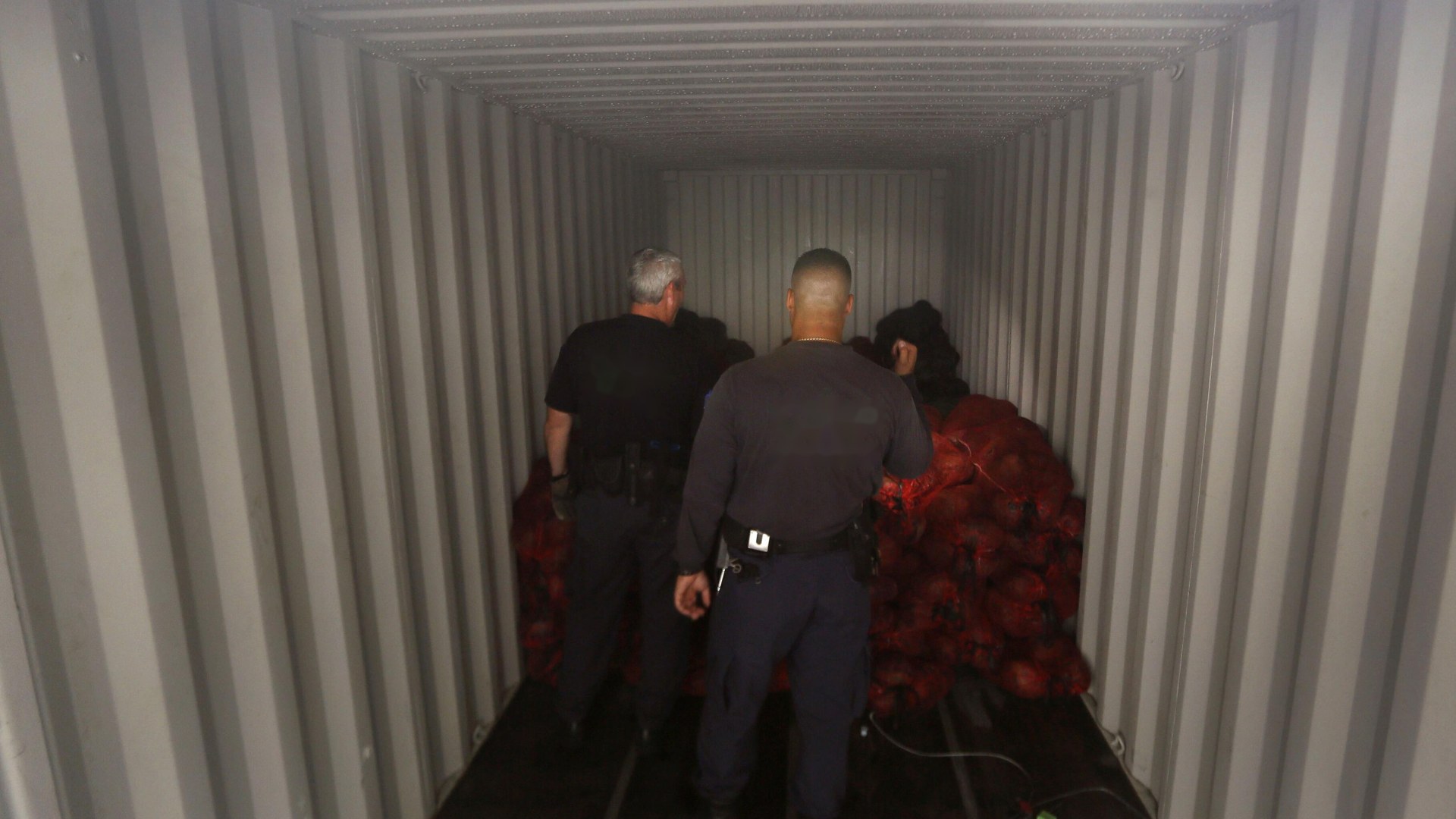
When a container is selected for physical examination, it is not only Customs that may have an interest in it. Depending on the goods, regulators responsible for food and drugs, product standards, plant and animal health, or narcotics control may also need to see it. When each agency schedules its own inspection, the box can be opened, unstuffed and restuffed more than once. Every extra day adds terminal storage, shipping line demurrage and truck waiting time, and every extra unstuffing raises the risk of damage or loss.
A coordinated examination tries to bring the relevant agencies together for a single, documented inspection, with each one clear about its role. That is the problem this SOP is aimed at. Our earlier guide, what to expect during a customs inspection in Nigeria, covers the basics of physical examination. This post focuses on the joint, multi-agency side.
How it fits the national picture
The Edo/Delta SOP is a local reform, but it sits alongside national moves to cut the number of physical checks. According to a performance report covered by The Guardian on 4 November 2026, Nigeria’s National Single Window has processed 169,211 licences, permits and other regulatory documents since it began operations on 27 March 2026. It has registered 12,465 importers and agents, onboarded 27 airlines, integrated 56 shipping lines and processed 405 sea manifests. Phase 2, which brings in export licences, Forms NXP and NCX, export manifests and Import Duty Exemption Certificates, is planned for progressive delivery between the fourth quarter of 2026 and the first quarter of 2027.
The direction is clear: more checks done on documents and data before the box is opened, and, when a box must be opened, fewer separate inspections. We covered the national target in From 95% to under 10%: what fewer physical exams mean for Nigerian importers.
How to prepare so one examination is enough
Whatever the final text of the SOP says, the cargo that clears fastest at any joint examination is cargo whose paperwork already answers the examiners’ questions. Here is a practical checklist for importers, exporters and their agents.
- Get every regulatory permit before the ship arrives. If your goods need a product certificate, a food or drug registration, or a phytosanitary or veterinary certificate, have it ready and uploaded before arrival. Missing permits are a common reason agencies ask for their own separate inspection.
- Make the description match the goods. The commercial invoice, packing list and declaration should describe the goods in plain, specific terms, with quantities that match what is in the box. Vague descriptions invite deeper checks. Our post on how Nigeria Customs values your goods explains why value and description must line up.
- Ask your supplier for a clear packing list. A carton-by-carton packing list, with marks and numbers, lets examiners check specific cartons instead of unstuffing the whole container.
- Have someone present who knows the cargo. Your licensed agent, or a representative who understands the goods, should attend the examination and be ready to explain technical items.
- Get the findings in writing. The SOP places emphasis on documenting examination findings. Make sure the outcome, including any discrepancy, is recorded, and keep a copy.
- Raise disagreements through the proper channel. If you dispute a finding, use the resolution process and the command’s stakeholder platforms rather than informal payments or side arrangements.
- Line up your truck and warehouse early. Once examination is complete and release is granted, delays often move to haulage and delivery. Book transport in advance so the box doesn’t sit idle.
What to watch next
The key question is whether the SOP actually shortens examination time and reduces repeat inspections in Warri and the wider command. Watch for the full document being shared with stakeholders, feedback from clearing agents’ associations in the area, and whether other area commands adopt a similar framework. If it works, coordinated examination could become a model for ports beyond Edo and Delta.
How Septmax can help
Septmax Logistics helps importers and exporters prepare complete documentation, coordinate with licensed customs brokers, attend examinations and arrange haulage to your door, so your cargo spends less time waiting at the port. Planning a shipment through Warri, Lagos or another Nigerian port? Call us on +234-707-476-0270 or email logistics@septmax.com to talk through your next consignment.