Nigeria is getting serious about who is allowed to move cargo along its coast and inland waterways. On 21 October 2026, the Nigerian Maritime Administration and Safety Agency (NIMASA) said it had detained several vessels in Lagos waters during an enforcement sweep, and on the same day the House of Representatives set up a committee to investigate foreign shipping lines operating in the country.
If you own or charter vessels, work in shipping, or simply pay a shipping line for door-to-door delivery, here is what is going on and what to check.
What the Cabotage Act says
The Coastal and Inland Shipping (Cabotage) Act 2003 reserves domestic shipping, meaning the movement of goods and people between Nigerian points by water, for Nigerian operators. As a rule, a vessel used for cabotage trade should be:
- wholly owned by Nigerian citizens;
- manned by Nigerians;
- built in Nigeria; and
- listed in NIMASA’s Special Register for vessels and ship-owning companies engaged in cabotage.
Where Nigerian capacity genuinely is not available, the law allows waivers on ownership, manning or shipbuilding. Under the NIMASA implementation guidelines, a waiver is not automatic. It has to be applied for, checked by NIMASA and granted by the minister.
The August marine notice
On 26 August 2026, NIMASA issued a marine notice on “enhanced enforcement” of these rules, as reported by The Guardian. It told vessel owners, operators, charterers, managers and anyone else hiring vessels for cabotage work to use only vessels that meet the ownership, registration, manning and construction rules, and to keep their statutory certificates, licences and registrations valid. Non-compliant vessels may be considered only where Nigerian capacity is unavailable and NIMASA has verified it. The notice took effect immediately.
Operation Sea Guardian: vessels detained in Lagos
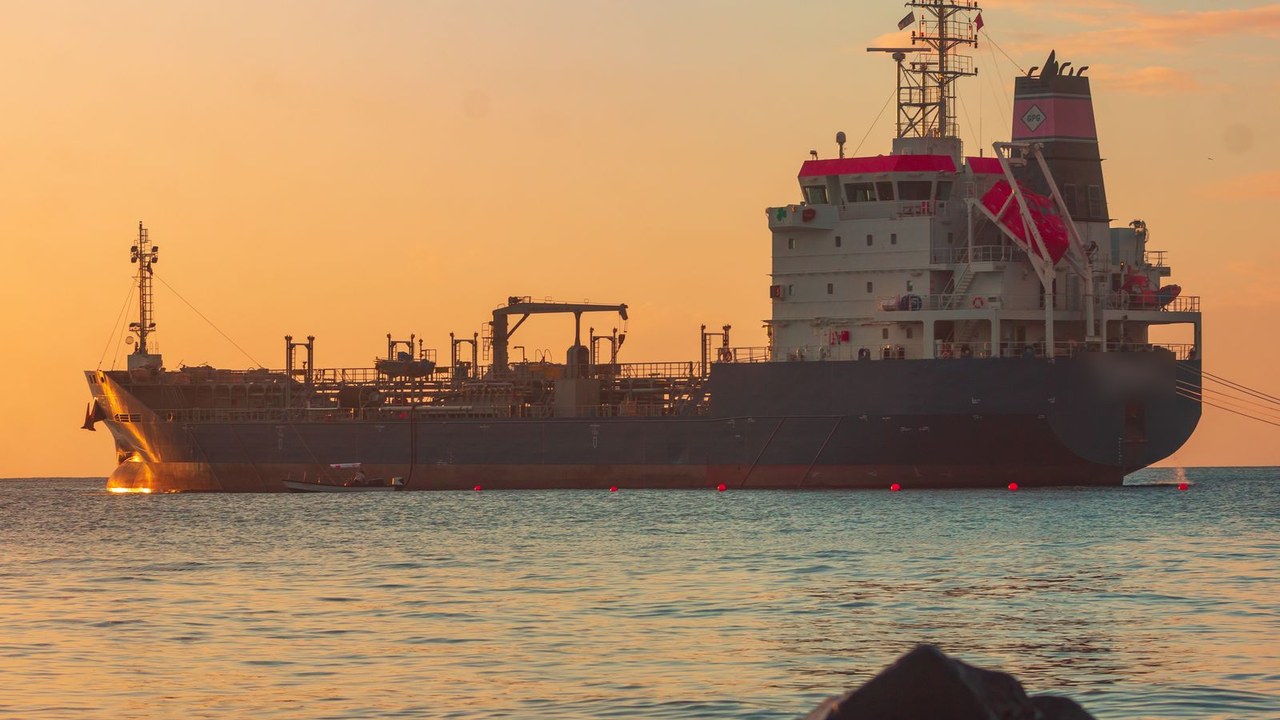
The follow-up came this week. According to the Nigerian Tribune, NIMASA ran an operation codenamed Operation Sea Guardian, working with the Nigerian Navy and the Maritime Guard Command. Vessels picked out through intelligence and surveillance were boarded and inspected. They were checked on their cabotage obligations, on whether they had paid the surcharges and levies they owe, and on general maritime rules.
Several vessels were arrested and detained in the Lagos area, including MT Holmes, MT Fujairah Energy, JS Gratitude and MT Bora. Some were later released after fixing their problems. NIMASA says it now keeps a “Target Bank” of high-risk vessels to plan further operations, and Director-General Dr Dayo Mobereola warned that these sweeps “would become more frequent”.
The House probe into foreign shipping lines
Separately, the House of Representatives resolved to set up an ad hoc committee to investigate international shipping lines in Nigeria, according to a report published on the NALTF website. The motion, moved by Hon. Aniekwe Peter Udogalanya, raised concern that foreign lines are expanding into “door-to-door” logistics by acquiring or controlling local vessels, terminal interests, trucking fleets and barge services, and that they bring in expatriate staff for jobs Nigerians can do.
The committee will look at:
- the structure, staffing and operations of foreign shipping lines in Nigeria;
- whether they comply with crewing, manning and inland logistics rules under the Cabotage Act and local content laws; and
- whether they are meeting their Nigerian tax obligations.
It has four weeks to report back to the House.
The carrot: CVFF money for Nigerian shipowners
Enforcement is only half the plan. On 16 October, Minister of Marine and Blue Economy Adegboyega Oyetola directed NIMASA to speed up payouts from the Cabotage Vessel Financing Fund (CVFF) to eligible Nigerian shipowners through approved lending banks, BizWatch Nigeria reported. No date, amount or number of beneficiaries was announced, so treat it as a direction of travel rather than money in the bank.
What this means for you
If you own or operate vessels: check that every vessel working Nigerian coastal or inland routes is on the cabotage Special Register, that crew lists match the manning rules, and that certificates, licences and any waivers are current. Make sure the cabotage surcharge and other levies are paid and you can show the receipts. Detention costs far more than paperwork.
If you charter vessels or barges (for oil and gas, dredging, barge transport from the ports or coastal distribution): the notice puts obligations on charterers too. Ask your vessel provider for proof of cabotage registration and, where relevant, a valid waiver before you sign. Build a fallback into your contract in case a vessel is detained mid-job.
If you work in shipping or are training for it: the push is about jobs for Nigerian seafarers, engineers and managers. Stricter manning checks and any outcome from the House probe could open more roles for qualified Nigerians, so keep your certificates of competency current.
If you are an importer or exporter: your ocean freight is not directly affected, because cabotage rules cover domestic movements rather than international voyages. But barge legs from Lagos ports, coastal feeder moves and trucking owned by shipping lines could feel knock-on delays if vessels are detained or contracts are restructured. Watch the committee’s report, due in about four weeks, for anything that changes how carriers bundle door-to-door services.
How Septmax can help
Septmax Logistics handles freight forwarding, customs clearance and door-to-door delivery into Nigeria, and we keep an eye on regulatory changes like this so your cargo keeps moving. If you are not sure how these rules affect a shipment, call us on +234-707-476-0270 or email logistics@septmax.com.
Sources
- Nigerian Tribune: Cabotage enforcement, NIMASA detains non-compliant vessels within Lagos waterways (21 Oct 2026)
- NALTF: House of Representatives to probe foreign shipping companies (21 Oct 2026)
- The Guardian: Cabotage operations restricted to Nigerian-owned, managed vessels (27 Aug 2026)
- BizWatch Nigeria: Oyetola directs NIMASA to fast-track CVFF disbursement (16 Oct 2026)
- NIMASA: Guidelines on implementation of the Cabotage Act