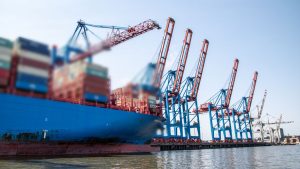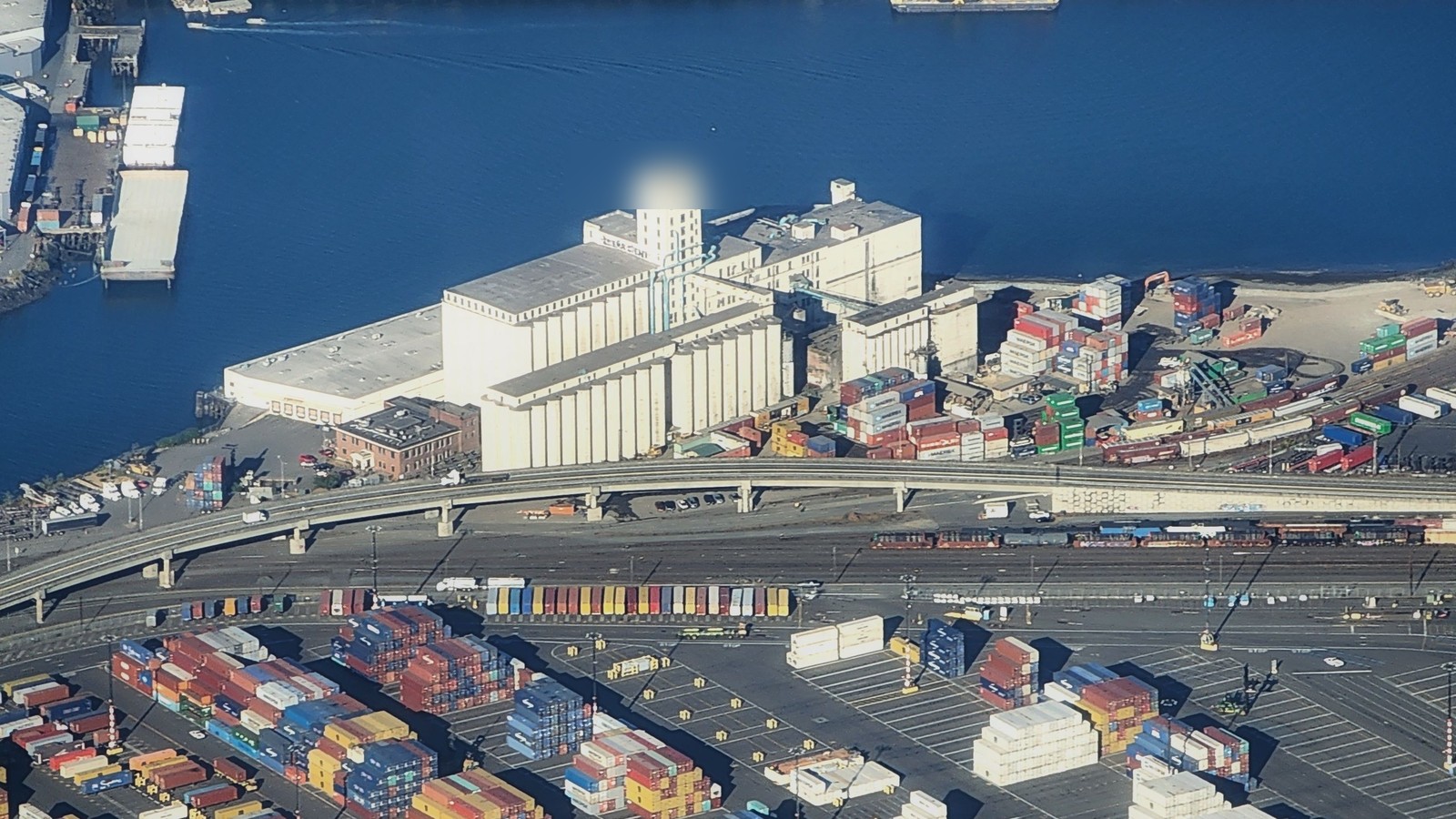
West Africa’s congestion problem is no longer only a queue of ships. In Côte d’Ivoire, boxes are sitting in the yard far longer than they used to. In Guinea, vessels can wait weeks for a berth. And from mid-December, Maersk says it will redesign parts of its West Africa network to lean less on the most congested hubs.
Hapag-Lloyd’s Week 45 Africa operational update, last updated 6 November 2026, is the clearest public snapshot. Canary Maritime, writing on 11 November, also reported Maersk’s mid-December plan, drawing on the line’s November 2026 market report for the India, Middle East and Africa region. If you book cargo into Abidjan, Conakry, Tema or the wider coast, here is what those figures mean and what to do before the year ends.
Abidjan: the bottleneck has moved ashore
Hapag-Lloyd says the yard at Abidjan is heavily congested with import units, and that dwell time has increased from 5 days to 22 days. Window vessels still face berth delays of 3 to 4 days.
That distinction matters. A ship may berth after a few days, yet your container can sit in the terminal for three weeks if the yard is full and trucks or documents are slow. Kuehne+Nagel’s 4–10 November port update put Abidjan’s 7-day average vessel waiting time at around 2.25 days, while also flagging high yard density, limited trucking capacity and slow cargo evacuation. The two reports are not a contradiction: one is about ships waiting, the other is also about boxes not leaving.
If you import through Abidjan, or you use it as a transshipment point for cargo heading elsewhere on the coast, the cost risk is now storage, detention and a late delivery, not only a late berthing.
Conakry: a long berth queue, one ship per line
At Conakry, Hapag-Lloyd says berthing is now on new proposals, first come, first served, with one vessel per shipping line, and delays still 16 to 20 days. Kuehne+Nagel put the 7-day average vessel wait at around 10 days and called congestion severe, with the same one-vessel-per-line limit.
A 10-day average and a 16-to-20-day range can both be true in the same week, depending on whether your ship arrived on window or joined a long queue. Either way, a “30-day transit” from Asia can become a 45-day story before the box is even discharged.
The wider coast, in brief
Hapag-Lloyd’s same update also reported:
- Dakar: no delay for window vessels, but off-window ships facing up to 72 hours, and a yard occupancy of 87 per cent or more.
- Monrovia: a congested yard and berth delays of 6 to 8 days for window vessels.
- Tema: reefer-plug utilisation above 85 per cent, and berth delays of 2 to 3 days for window vessels (we covered Tema’s reefer squeeze in more detail earlier this month).
- Cotonou: no delay for window vessels if documents are ready; off-window ships berth by document readiness and berth availability.
Kuehne+Nagel separately put Tema’s 7-day average vessel wait at around 6.7 days, with truck shortages slowing evacuation, and Everstream’s 12 November congestion report used a similar Tema figure. Again, average wait and “window vessel” delay are different measures. Read the measure, not only the headline number.
What Maersk says it will change in mid-December
According to Canary Maritime’s account of Maersk’s November IMEA market report, the line intends to start a network redesign from mid-December, aimed at reducing dependence on congested transshipment and discharge hubs, including Abidjan, Tema and Conakry. The reported plan includes more direct connections and more vessel capacity from Asia and the Middle East to West Africa.
Maersk also warned, in that account, that the redesign will only work if cargo can be absorbed on land. Off-dock depots, inland facilities and, where they exist, rail or barge links still matter. A faster ocean schedule does not help if the box then sits 22 days in a yard.
The same report links the West Africa changes to a wider network shift: Maersk’s ME1 Gemini service has been gradually returning to the Suez Canal after months of Cape of Good Hope diversions. That changes mainline transit times and the timing of feeder connections into West African ports. Confirm your actual routing; do not assume last quarter’s transit still applies.
This is one carrier’s plan, as reported from its market report. It is not a guarantee of shorter transits on every booking, and it does not describe what MSC, CMA CGM, Hapag-Lloyd or others will do.
What freight forwarders and cargo owners should do
1. Separate ship delay from yard delay in every quote and update. Ask: when will the vessel berth, and when will the container be available for collection or onward carriage? In Abidjan those can now be weeks apart.
2. Get documents ready before the ship arrives, especially at Cotonou and other “docs first” ports. Hapag-Lloyd’s Cotonou note is explicit: window ships move if papers are ready. A late bill of lading, an unpaid local charge or a missing packing list can turn a short call into an off-window wait.
3. Re-check mid-December bookings with Maersk, and compare alternatives. If your cargo is priced on a transshipment via Abidjan, Tema or Conakry, ask whether it will move to a more direct routing, and what that does to the cut-off, the transit time and the rate. Then compare at least one other line.
4. Plan inland capacity at the same time as the ocean booking. Truck shortages are part of the official picture at Tema and Abidjan. If you can use an off-dock depot or a named trucker with a confirmed window, book it early. Do not assume a discharged box will roll out the same day.
5. Watch omissions. Hapag-Lloyd has already listed vessels omitting Conakry, Freetown, Monrovia, Banjul or Luanda on individual voyages. An omitted port means your cargo may be discharged elsewhere and fed in later, or rolled. Read the voyage notice, not only the service name.
What to watch next
- Maersk’s formal customer advisory for the mid-December network change, including which services and ports are affected.
- Whether Abidjan dwell time comes back from 22 days, or stays high through the festive peak.
- Any move by other lines to add direct calls or to omit congested hubs.
- Reefer availability at Tema, which can still squeeze perishable and temperature-controlled cargo.
How Septmax can help
Septmax Logistics helps importers, exporters and businesses book and forward cargo between Asia, the Middle East and West Africa, including Nigeria. If you have a shipment routed via Abidjan, Conakry, Tema or another coastal hub this December, we can help you read the latest carrier updates and compare realistic transits.
Call +234-707-476-0270, email logistics@septmax.com, or visit septmax.com to talk to our team.