
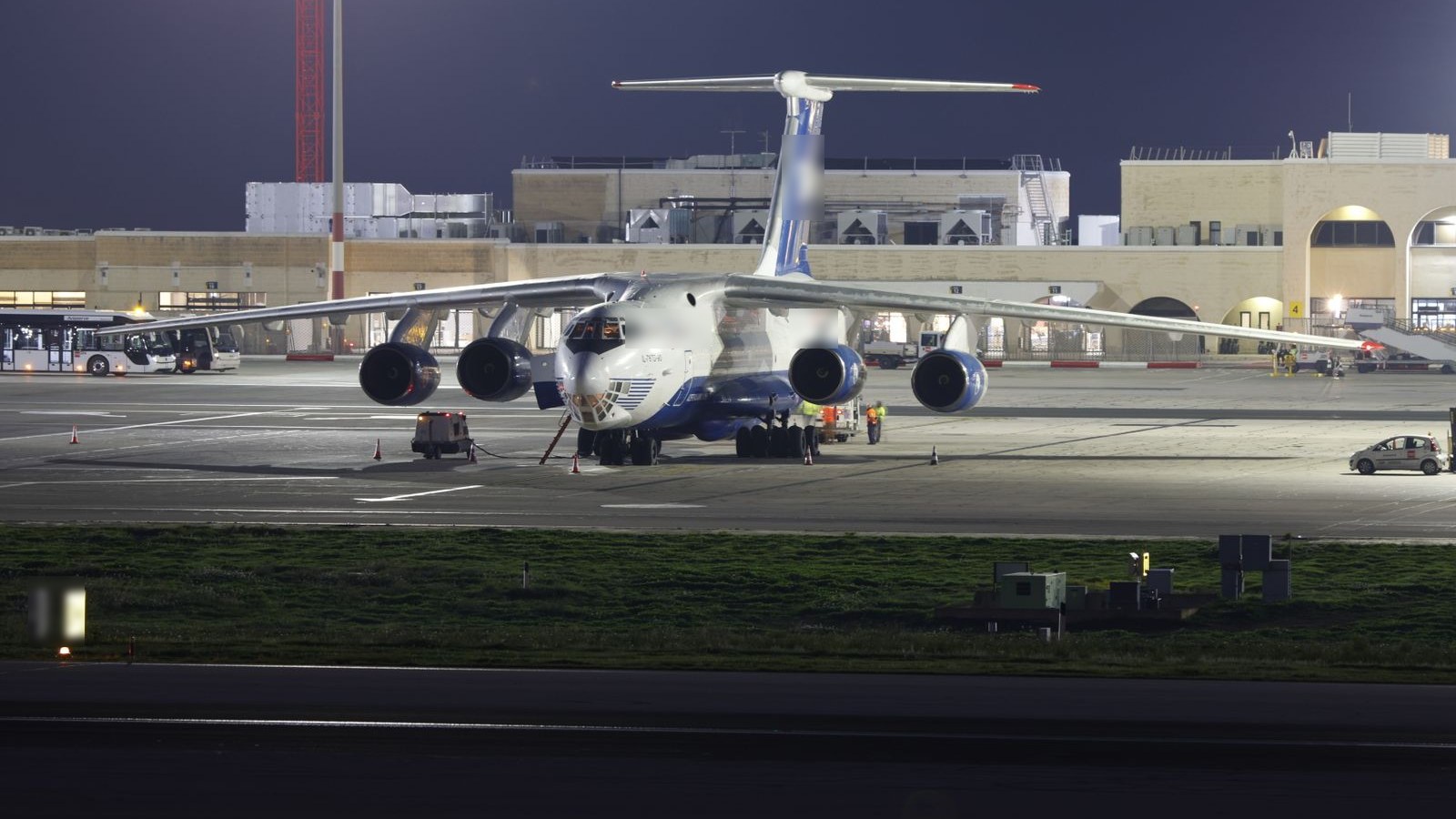
If you buy phones, accessories, gadgets or samples from suppliers in Shenzhen and fly them to Nigeria, mark next week on your calendar. From 16 to 20 November 2026, air cargo through Shenzhen Bao’an International Airport (SZX) will be heavily restricted while the city hosts the APEC Economic Leaders’ Meeting on 18 and 19 November.
At the same time, a container ship knocked down a quay crane at Yantian, Shenzhen’s main seaport, on 9 November. Neither event is a disaster for a Lagos buyer on its own, but together they land in the middle of the year-end peak, when space is already tight and rates are already high. Here’s what is actually changing, who it affects, and what online sellers, small importers and the forwarders who serve them can do this week.
What is changing at Shenzhen airport
Several carriers and handlers have published notices, and they don’t all say the same thing, so it helps to separate what is confirmed from what is still unclear.
- No cargo on international passenger flights. According to a notice from Teleport, international passenger flights to and from Shenzhen may not carry any cargo from 00:00 on 16 November to 18:00 on 20 November 2026 (China time). Cargo agents and terminal operators are told not to accept or handle cargo for those flights. A Dimerco executive confirmed the same window to The Loadstar.
- Freighters are squeezed, not shut. The Loadstar reports there is no official full suspension of freighter flights, but slots will be “drastically reduced”, with earlier cut-offs and carriers choosing what they accept. Dangerous goods, perishables and priority shipments are likely to be refused.
- Dangerous goods are already blocked on some airlines. ANA Cargo’s notice bars new bookings for all dangerous goods through SZX from 9 to 20 November, including small “excepted quantity” shipments and items normally treated as not restricted under special provisions. From 16 to 20 November it also refuses perishables, priority and time-sensitive shipments, and pieces too big for its AKE container door.
- Slower handling. ANA says accepted exports must be handed in at least 12 hours before departure, and imports will only be ready for collection eight or more hours after arrival.
- Road and courier limits too. Flightdeck Report says Shenzhen police have banned dangerous-goods vehicles from all city roads on 16 to 20 November, other freight vehicles face limits on some roads, and UPS has announced temporary changes to collection and delivery in parts of the city from 12 to 21 November. The city’s ports office has asked cross-border freight firms to move stock earlier and postpone non-urgent orders.
The notices differ in scope, and The Loadstar notes that an airport-wide ban covering every operator has not been independently confirmed. So treat this as a week of very limited, unpredictable capacity rather than a total shutdown, and ask your own forwarder what their airline has told them.
Why a Nigerian buyer should care
Most small China-to-Nigeria air shipments don’t fly direct from Shenzhen. They are often consolidated and routed through hubs such as Hong Kong, Guangzhou, the Gulf or Addis Ababa. But a lot of the goods themselves start in Shenzhen factories and markets, and the knock-on effects reach everyone:
- Volume moves next door. Forwarders expect shipments to divert to Hong Kong and Guangzhou. Those airports are already busy with peak-season cargo, so space there gets tighter and cheaper options disappear first.
- Rates are already high. Freightos reported China–Europe air rates up 11% in one week to $4.87 per kg, and China–US above $8 per kg (AJOT/Freightos weekly update). Africa lanes are priced separately, but a regional squeeze rarely makes anything cheaper. Fuel is part of it too; our guide to air cargo fuel surcharges explains how that line on your invoice works.
- Batteries are the weak point. Phones, power banks, smartwatches, Bluetooth speakers, e-bikes and anything with a lithium battery is usually handled as dangerous goods in air freight. With dangerous-goods trucks banned from Shenzhen roads that week and some airlines refusing new DG bookings, battery-powered stock is the most likely to sit and wait.
- Stock sits longer in warehouses. If your goods are in a Shenzhen warehouse waiting for an air booking, they may dwell longer than planned. We saw in Bangkok this month how quickly a cargo backlog builds up in one shed once flows are disrupted.
The Yantian crane: what it means for sea freight
On 9 November, the 15,516 TEU Maersk Cincinnati struck a ship-to-shore crane while berthing at berth 12 of Yantian, and the crane collapsed, as reported by Splash247. The cause is under investigation, and the extent of disruption is still unclear.
One crane among many won’t close the port, but in peak season it can slow berthing and container moves at that terminal. If your sea cargo is booked out of Yantian, ask for the latest vessel schedule rather than relying on the booking date, and build a few days of buffer into any promise you make to your own customers. Sea freight from South China to Lagos already takes weeks, so a short slip at origin matters less than for air, but it can push a container into a later vessel or a busier arrival window.
What to do this week
If you’re an online seller or small importer:
- Ask your supplier and agent today where your goods will fly from and whether they are booked to leave before 16 November.
- If anything is urgent, push to get it handed over before the 16th, or ask about trucking it to Hong Kong or Guangzhou for an earlier flight.
- Separate battery items from the rest of your order. Ordinary goods may still move while dangerous goods wait, so don’t let one carton of power banks hold up a whole consolidation.
- Don’t promise Christmas delivery dates to your own customers until you have a confirmed flight. Give a range, not a single day.
- Expect higher quotes for the next two weeks and ask for the rate breakdown, including fuel and any peak or security surcharges, before you agree.
If you’re a forwarder or consolidator:
- Check every airline you use for SZX notices covering 9 to 20 November, especially on dangerous goods.
- Tell customers early, in writing, which shipments may slip. A short message now saves angry calls later.
- Line up alternative gateways and road feeders, and confirm cut-off times there, because they will move earlier as volume shifts.
If it’s not urgent: consider waiting. Non-urgent cargo booked for after 20 November will likely face fewer refusals, though peak-season rates will still apply. For bulky or heavy goods, sea freight remains the cheaper option; our China to Nigeria shipping guide compares air and sea timelines and costs.
The bigger lesson
Big political events, holidays and weather close airports and roads more often than people expect, and Chinese New Year (6 February 2027) is the next one on the calendar. The buyers who cope best plan with buffers: they order early, keep a little safety stock, know which of their items count as dangerous goods, and have more than one route out of China.
Talk to Septmax about your next China shipment
Septmax Logistics handles China-to-Nigeria door-to-door shipping by air and sea, plus freight forwarding and customs clearance in Nigeria. If you have goods waiting in Shenzhen or Guangzhou and want help planning around next week, call us on +234-707-476-0270 or email logistics@septmax.com.


One thought on “Shenzhen Air Cargo Restrictions for APEC (16–20 November): What Nigerian Online Sellers, Importers and Forwarders Should Do This Week”