Not every delay at a Nigerian port is an Apapa traffic story. Hapag-Lloyd’s Week 45 Africa operational update, last updated 6 November 2026, reported operational slowdowns at Onne because of heavy rains and yard congestion, with delays of up to 24 hours. The same update said Apapa is seeing slowdowns from heavy yard congestion, with operational delays of up to 12 hours, and that high yard congestion at Tin Can Island Container Terminal (TICT) is affecting performance, with berth delays of up to 24 hours.
Those are hours, not the multi-day queues reported at Conakry or Durban. They still matter if you work in the yard, drive a truck into the terminal, or have a vessel that was supposed to sail tonight. Here is how to read the update, and what port workers, warehouse staff and shippers should do.
What the carrier actually reported
Hapag-Lloyd’s language is specific:
- Onne: “Ops slowdowns are reported due to heavy rains and congestion at yard. Current ops delays reported up to 24 hrs.”
- Apapa (APP): “Ops slowdowns are reported due to heavy yard congestion. Current ops delays reported up to 12 hrs.”
- Tin Can (TICT): “Due to high yard congestions, terminal performance impacted. Currently, up to 24 hrs. berth delays.”
This is one line’s operational picture, dated 6 November, not an NPA dashboard for every terminal. Other lines may be faster or slower on the same day. The useful point is the pattern: yards are tight, rain is slowing the eastern port, and berth performance at TICT is being hit by congestion on land, not only by the number of ships.
Onne sits in the Port Harcourt / Rivers axis and handles a large share of oil-and-gas, project and commercial cargo for the east of the country. When rain and a full yard coincide, crane and truck productivity drop, export boxes miss cut-offs, and import boxes wait longer for examination or release. Twelve to 24 hours can be the difference between a truck making a daylight trip and a driver spending a night at the gate.
Lagos is under a different kind of pressure. Yard density at Apapa and TICT makes it harder to find, move and load containers even when the access roads are passing. That stacks on top of the longer-term problems we have already covered this month, including the delayed reconstruction at Apapa and Tin Can and the continuing importance of truck, rail and barge evacuation.
What it means for port and warehouse workers
1. Treat rain and a tight yard as a safety issue, not only a delay. Wet containers, slippery access, reduced visibility and hurried machine moves are when people get hurt. Follow the terminal’s stop-work and housekeeping rules. Do not enter a stack or a lifting radius because someone is shouting that a box is late.
2. Expect changes to work plans at short notice. If a vessel is running up to 24 hours late, gate lists, labour deployments and overtime will move. Confirm the shift or gang you are actually on before you travel, especially at Onne during heavy rain.
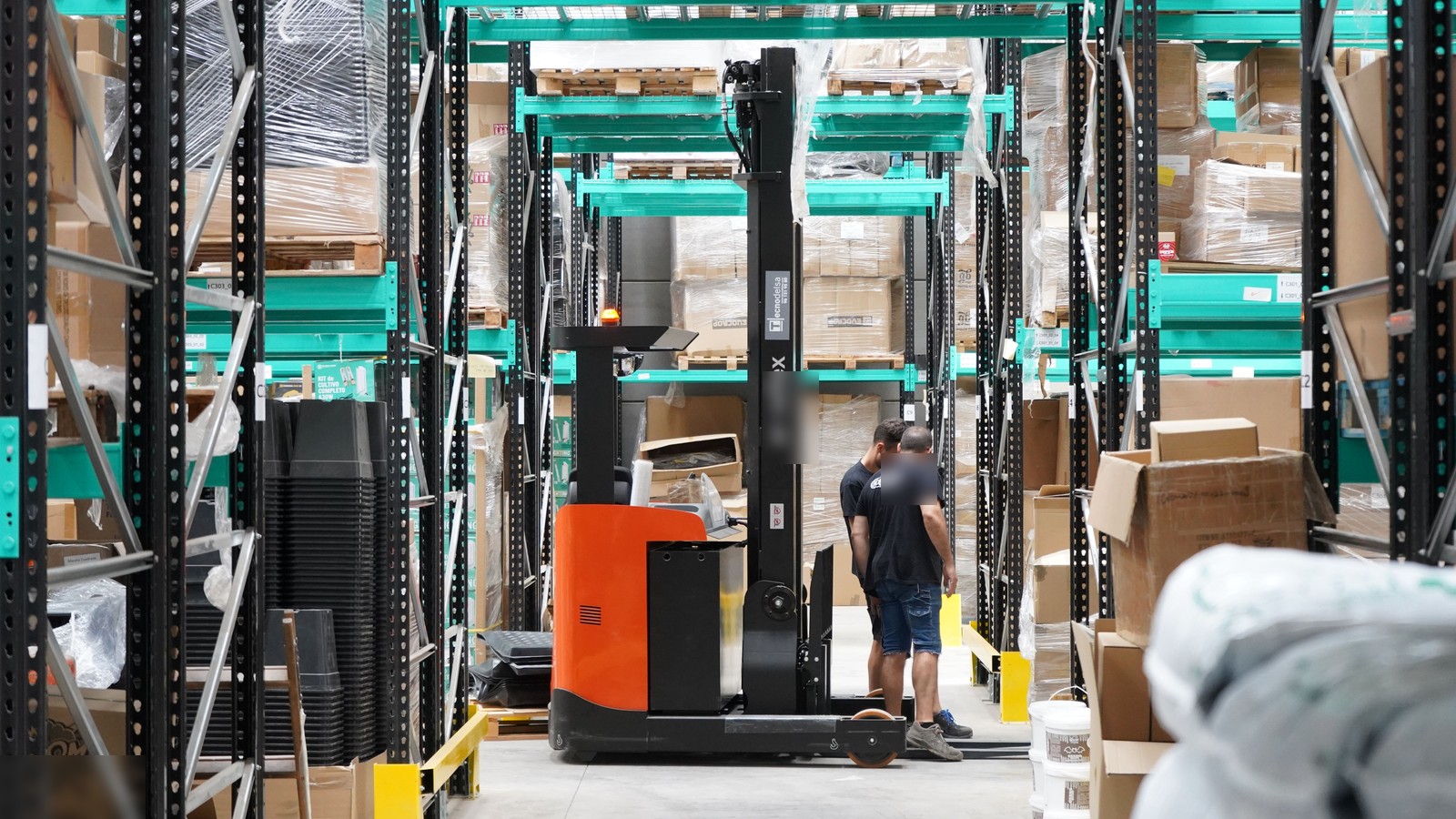
3. Keep the yard moving in small, correct steps. Tight yards get worse when boxes are landed in the wrong bay, when empties are not cleared, and when unready export containers occupy space. If your job is planning, checking or driving a reach stacker or forklift, accuracy is faster than improvising.
4. Export cut-offs will be less forgiving. If you stuff or receive cargo in a bonded warehouse or off-dock facility, ask the terminal and the shipping line for the latest receiving cut-off whenever rain or congestion is reported. A warehouse that keeps stuffing to the old cut-off will produce boxes that miss the ship.
What it means for shippers, agents and truckers
1. Check the voyage, not only the service, the day before a call. A 12- or 24-hour berth delay can still miss a feeder connection or a labour window. Ask your line whether the vessel is on window, and whether export receiving is still open.
2. Do not send a truck into a flooded or congested terminal “to see.” If Onne is wet and the yard is slow, confirm that the container is ready for pick-up or delivery and that the gate is processing the relevant move, then dispatch. A truck waiting in the rain is a cost and a safety risk.
3. Build a day of buffer into eastern and Lagos terminal plans this month. These delays are shorter than the multi-week queues elsewhere on the African coast, but they are enough to break a tight factory or project schedule. Tell the consignee early if a box will be a day late.
4. Keep documents complete before the vessel arrives. A full yard has less patience for boxes that cannot be examined or released because a Form M, PAAR, invoice or packing list is missing. Our guide to the NPA Daily Shipping Position remains the practical way to see which ships are actually at Lagos, Onne and the other Nigerian ports.
5. If you can move cargo off the quay, do it. Rail, barge and off-dock transfer are still the main ways to give a tight Lagos yard more space, as we set out in the evacuation-options guide. At Onne, the equivalent is often a timely truck or barge move to a private terminal or project site, not leaving the box in the common yard through another rain day.
What to watch next
- The next weekly carrier operational updates, to see whether the 12- and 24-hour delays shrink or persist into the festive peak.
- Weather at Onne and other eastern terminals, and any official gate or receiving notices.
- Yard density at Apapa and TICT, which will also be affected by empty-return rules and, in time, reconstruction works.
How Septmax can help
Septmax Logistics helps importers, exporters and businesses move cargo through Lagos and Nigeria’s eastern ports, including Onne, and onward to project sites and warehouses. If you have a vessel due this week and need a realistic receiving or delivery plan, we can help you check the latest terminal picture before the truck rolls.
Call +234-707-476-0270, email logistics@septmax.com, or visit septmax.com to talk to our team.